
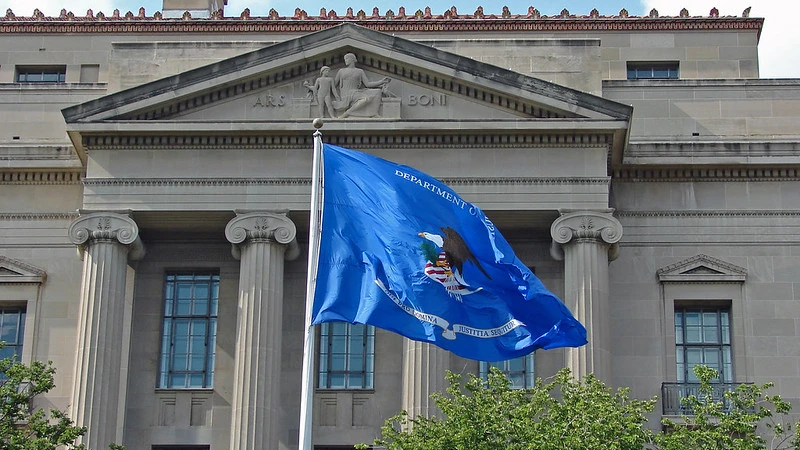
The Department of Justice sent federal agents to the homes of four New York Times reporters on Saturday, delivering grand jury subpoenas related to the publication of a story that the Federal Bureau of Investigation had warned would compromise "highly classified national security secrets," according to reports confirmed in part by the Times itself.
The subpoenas were issued as part of a criminal investigation into the disclosure of classified information. The story in question centered on national security vulnerabilities related to the protection of the president. The precise classified information alleged to have been disclosed has not been publicly confirmed by either DOJ or the Times. However, the newspaper acknowledged receiving the FBI's pre-publication warning — an unusual step that signals a high level of concern within the intelligence community about the potential damage from disclosure.
The FBI characterized the story, in its warning to the Times, as providing adversaries with "a roadmap to the commander-in-chief's vulnerabilities," according to reporting by The Daily Wire. The Times published regardless.
Federal agents appeared at the residences of the four reporters to deliver the subpoenas. Whether the reporters are being treated as witnesses or as subjects of the criminal investigation has not been publicly confirmed by the Justice Department.
"The Justice Department unleashed a barrage of grand jury subpoenas," The Daily Wire reported Saturday, describing federal agents appearing "at the doorsteps of four New York Times reporters."
A senior Times editor defended the decision to publish, citing public interest in accountability journalism. The Times did not specify what classified material, if any, it chose to withhold in response to the FBI's pre-publication communication.
The subpoenas arrived in the same week the Justice Department and the Pentagon announced a joint task force designed to crack down on leaks of sensitive defense information to the media. The two agencies announced the joint body Monday, framing it as a national security measure to protect military personnel from exposure.
The joint task force and the grand jury subpoenas are separate proceedings. The grand jury investigation predates the formal announcement of the task force. The proximity of the two developments — subpoenas Saturday, task force announcement Monday — signals a coordinated administration posture on classified leaks extending across at least two major law enforcement and defense institutions.
Press freedom advocates responded with concern. The Reporters Committee for Freedom of the Press said it was monitoring the situation. No charges have been filed. Grand jury proceedings are conducted under seal.
What happens next: the reporters and their legal teams are expected to challenge the subpoenas in federal court. The government will need to demonstrate it exhausted alternative means to obtain the information before compelling journalists to testify. That standard will shape how aggressively the department can move against the Times staff, and will likely determine the scope of the administration's new leak enforcement posture for the remainder of the term.

Get the Exclusive
10.23.2026