
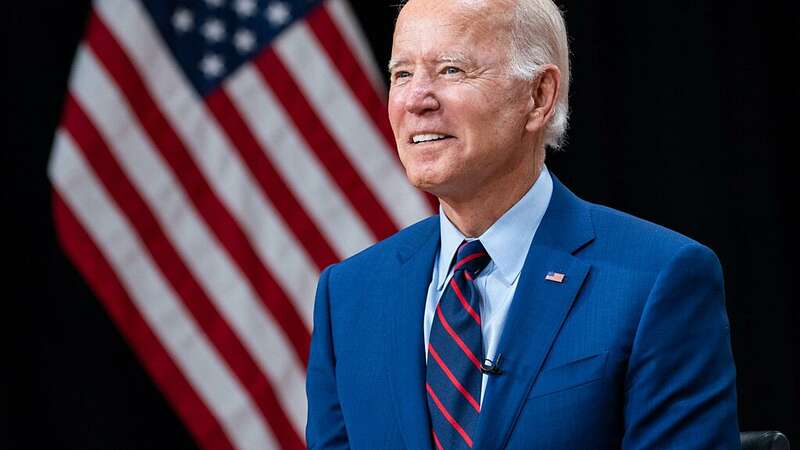
Former President Joe Biden filed a lawsuit against the Department of Justice on Tuesday, seeking to permanently block the release of audio recordings from special counsel Robert Hur's investigation into Biden's handling of classified documents.
The lawsuit, filed in federal court, targets audio recordings of private conversations between Biden and his ghostwriter, Mark Zwonitzer, that were captured during the writing of Biden's 2017 memoir, "Promise Me, Dad." Special counsel Robert Hur subpoenaed those recordings as part of his investigation into whether Biden had willfully retained classified materials after leaving the vice presidency in January 2017.
Hur investigated Biden for approximately two years before closing his probe in February 2024 without criminal charges. His public report described Biden as "a sympathetic, well-meaning, elderly man with a poor memory" — language that ignited a sustained political controversy and added to existing concerns about the former president's cognitive fitness during the final year of his administration.
The audio recordings referenced in Hur's final report were not released publicly at the time the report was issued. Biden's legal team argued in Tuesday's court filings that the recordings contain "private communications" protected from disclosure under the Presidential Records Act and broader privacy principles. The Department of Justice has indicated it intends to process and release the recordings in response to outstanding Freedom of Information Act requests from multiple news organizations.
The lawsuit was first reported by Fox News and subsequently confirmed by the Washington Examiner.
Biden's legal team argued in the complaint that the special counsel's investigation was "concluded without charges" and that continued public disclosure of investigative materials serves "no legitimate law enforcement purpose." The filing further stated that portions of the recordings capture conversations not directly related to the classified documents investigation and that their release would amount to "an improper invasion of personal privacy."
Hur's final report described a specific interview session in which Biden struggled to recall the precise timing of his departure from the vice presidency and was uncertain about the dates of significant personal events, including the death of his son Beau Biden in 2015. The report noted that Biden's attorneys had provided context during the interview but that the former president's memory lapses were "a significant and repeated limitation" in the investigation.
The audio recordings would, if released, allow the public and media organizations to hear the full, unedited context of those exchanges rather than rely on Hur's written characterizations of them.
A source familiar with the status of pending FOIA requests confirmed to Fox News that multiple media organizations have had outstanding requests for the recordings since at least February 2024, when Hur's report was publicly released.
The legal argument Biden's team is advancing — that concluded investigations should not produce ongoing FOIA-accessible audio records — would, if accepted by courts, create precedent affecting how the Justice Department handles investigative recordings and transcripts more broadly. Legal observers cited by the Washington Examiner noted that no prior court ruling fully resolves the tension between executive privacy interests and the public's right of access to government records in closed criminal investigations.
The former president has returned to a higher public profile in recent weeks, including podcast appearances that his advisers say are intended to address his legacy following a difficult final year in office. The legal effort to seal records from the Hur investigation marks a parallel track in his post-presidential activities.
The case is now before the U.S. District Court. No hearing date has been publicly scheduled as of the time of publication. The Department of Justice had not filed a formal response to the complaint as of Tuesday evening.
What standard the court applies to the competing claims — privacy interests of a former president versus the public's established right of access to records from completed federal investigations — will be the central legal question before the court.

Get the Exclusive
10.21.2026