President Trump said Thursday he may read the transcript of his July 25 telephone conversation with Ukrainian President Volodymyr Zelensky aloud to Americans in the style of the famous fireside chats delivered by President Franklin Roosevelt during the 1930s and 1940s.
“This is over a phone call that is a good call,” Trump said in an interview with the Washington Examiner. "At some point, I’m going to sit down, perhaps as a fireside chat on live television, and I will read the transcript of the call, because people have to hear it. When you read it, it’s a straight call.”
Roosevelt delivered a series of informal radio addresses, dubbed fireside chats, meant to garner support for his New Deal policies and update Americans on the course of World War II, among other issues.
A public reading of the call transcript would mark the latest effort by Trump to thwart the impeachment inquiry against him by congressional Democrats. The president has repeatedly denied Democratic claims that he withheld crucial military aid to Kiev in order to press Zelensky to investigate former Vice President Joe Biden and his son, Hunter.
Several witnesses have raised concerns over the call. Army Lt. Col. Alexander Vindman, who serves as a director on the National Security Council (NSC), testified privately before Congress this week that he was alarmed by Trump's request to Zelensky.
“Everybody knows I did nothing wrong,” Trump told the Examiner. “Bill Clinton did things wrong; Richard Nixon did things wrong. I won’t go back to [Andrew] Johnson because that was a little before my time. But they did things wrong. I did nothing wrong.”
Read More...
Trump says he wants to read Ukraine call transcript in televised 'fireside chat'
Current News
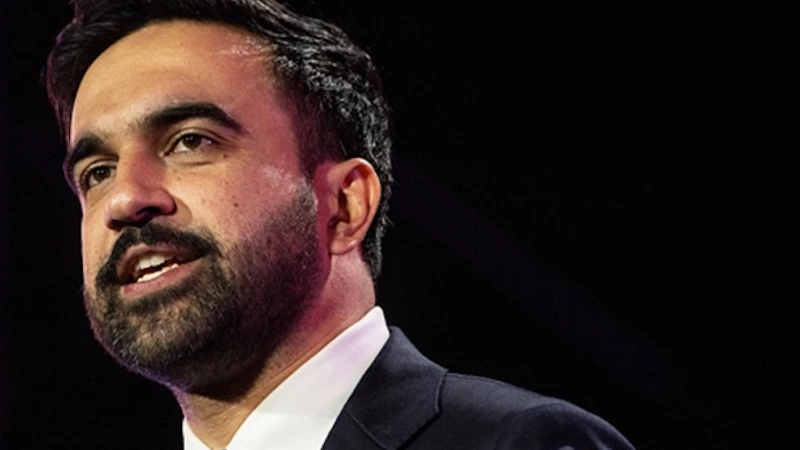
The Man Running America’s Biggest City Just Threatened to Arrest an Israeli PM. Let That Sink In.
Zohran Mamdani, who took office as New York City’s mayor earlier this year, told reporters he was in “active conversation” with the city’s Law Department about whether to arrest Benjamin Netanyahu if the Israeli prime minister sets foot in New York. No federal charges. Read more
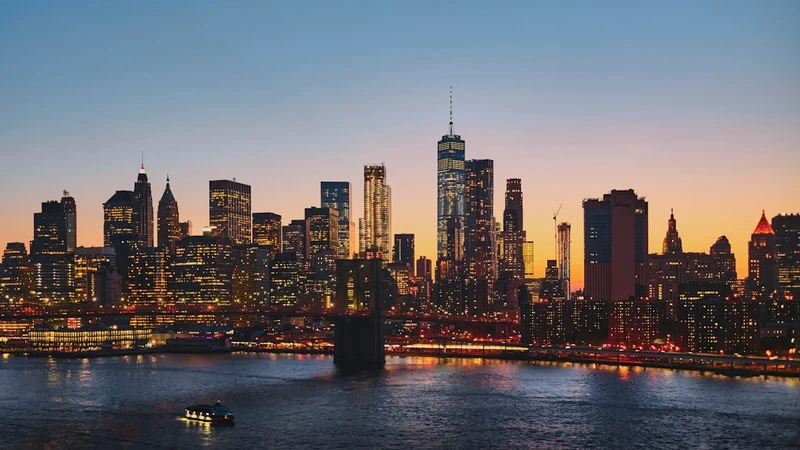
The Vandals Are Here, and They Came From Within
A recent Gallup survey found American pride at a record low. Not a polling artifact, not a margin-of-error quirk — a historic nadir in the percentage of Americans who describe themselves as “extremely proud” of their country. Read more
Degrees Without Merit: How the Long March Through Institutions Is Producing Frauds in Lab Coats
Trump Told You Iran Doesn’t Keep Deals. The Burning Tankers Prove It
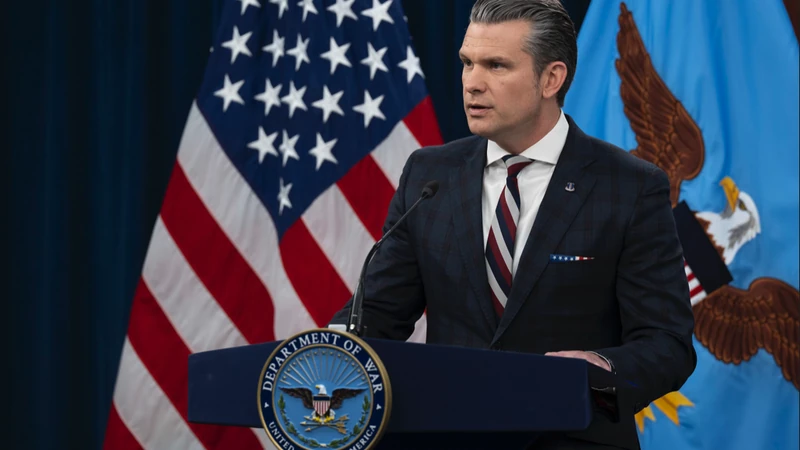
Pentagon-DOJ Task Force to Hunt and Prosecute National Security Leakers ‘With the Full Force of the Law’
Defense Secretary Pete Hegseth announced Monday that the Pentagon has established a joint task force with the Department of Justice to identify and criminally prosecute government officials who leak sensitive national security information to journalists, according to a statement from the Defense Department. Read more

Fire on the Water: Thucydides, the Hormuz Strait, and America’s Test of Will
Thucydides, writing of the protracted struggle between Athens and Sparta in the fifth century before Christ, observed that nations go to war not for the stated reasons of justice or grievance, but because of fear, honor, and interest — Read more