President Trump hit back on Wednesday at House Democrats' suggestions that he had a "meltdown" during their meeting as he launched a personal attack on Speaker Nancy Pelosi (D-Calif.).
Context: Pelosi, House Majority Leader Steny Hoyer (D-Md.) and Senate Minority Leader Chuck Schumer (D-N.Y.) said earlier Wednesday that they walked out of the meeting with Trump on Turkey's military invasion after he suggested that there was no plan to contain the Islamic State, or ISIS, in Syria. They said he also attacked Pelosi in a "nasty diatribe."
Why it matters: Per Axios' Zachary Basu and Ursula Perano, Pelosi suggested that Trump was "shaken up" after the House voted overwhelmingly and in bipartisan fashion to condemn his decision to move U.S. troops out of northern Syria.
Democrats and Republicans alike, including those like Sen. Lindsey Graham (R-S.C.) who have been among Trump's most loyal defenders, have lobbed intense criticism at the president over allegations that he has abandoned the Kurds.
The big picture: It was the first face-to-face meeting between Trump and Pelosi since House Democrats launched a formal impeachment inquiry. House Minority Leader Kevin McCarthy (R-Calif.) said Pelosi had "stormed out of the meeting" to make it "unproductive" and "political" in a moment of crisis.
During the meeting, Trump called former Defense Secretary James Mattis "the world's most overrated general," a Democratic source familiar with the meeting's events told Axios.
The White House said in a statement: "The President was measured, factual and decisive, while Speaker Pelosi's decision to walk out was baffling."
Trump also tweeted a photo he captioned "Nervous Nancy's unhinged meltdown!," which the speaker later made her cover photo on her Twitter page.
Read More...
Trump goes after "sick" Pelosi following Syria meeting "meltdown"
Current News
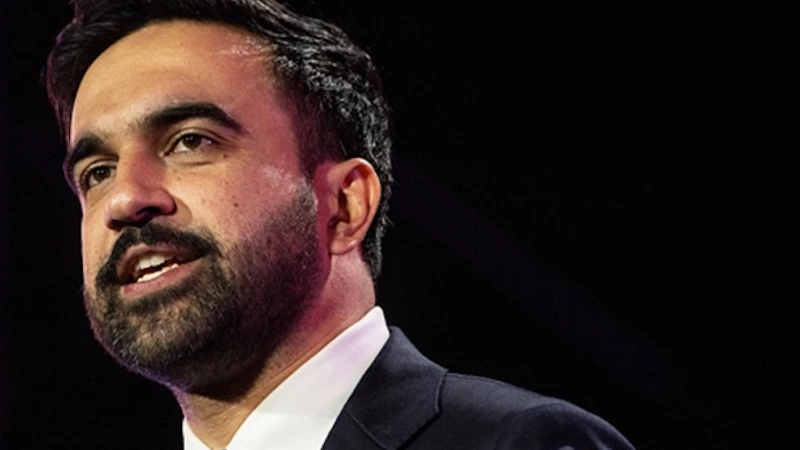
The Man Running America’s Biggest City Just Threatened to Arrest an Israeli PM. Let That Sink In.
Zohran Mamdani, who took office as New York City’s mayor earlier this year, told reporters he was in “active conversation” with the city’s Law Department about whether to arrest Benjamin Netanyahu if the Israeli prime minister sets foot in New York. No federal charges. Read more

The Vandals Are Here, and They Came From Within
A recent Gallup survey found American pride at a record low. Not a polling artifact, not a margin-of-error quirk — a historic nadir in the percentage of Americans who describe themselves as “extremely proud” of their country. Read more
Degrees Without Merit: How the Long March Through Institutions Is Producing Frauds in Lab Coats
Trump Told You Iran Doesn’t Keep Deals. The Burning Tankers Prove It
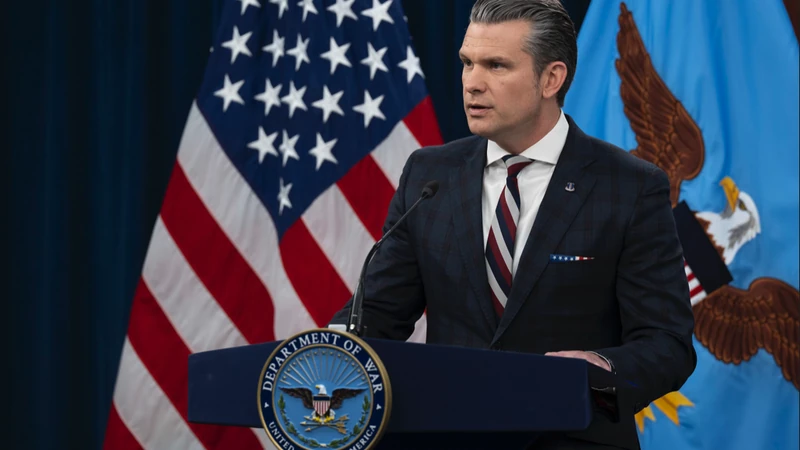
Pentagon-DOJ Task Force to Hunt and Prosecute National Security Leakers ‘With the Full Force of the Law’
Defense Secretary Pete Hegseth announced Monday that the Pentagon has established a joint task force with the Department of Justice to identify and criminally prosecute government officials who leak sensitive national security information to journalists, according to a statement from the Defense Department. Read more

Fire on the Water: Thucydides, the Hormuz Strait, and America’s Test of Will
Thucydides, writing of the protracted struggle between Athens and Sparta in the fifth century before Christ, observed that nations go to war not for the stated reasons of justice or grievance, but because of fear, honor, and interest — Read more