President Trump on Monday defended his decision not to give Democratic congressional leaders advance notice of the raid that resulted in the death of ISIS leader Abu Bakr al-Baghdadi, saying once again that he was concerned the details would leak out.
When Trump first announced al-Baghdadi's death Sunday morning, he said he decided not to tell officials, including House Speaker Nancy Pelosi, because he was afraid leaks could compromise the mission. Speaking to reporters Monday morning, he singled out House Intelligence Committee Chairman Adam Schiff, D-Calif., as the focus of those concerns.
"The only thing is they were talking about why didn't I give the information to Adam Schiff and his committee, and the answer is because I think Adam Schiff is the biggest leaker in Washington," Trump said. "You know that, I know that, we all know that. I've watched Adam Schiff leak. He's a corrupt politician. He's a leaker like nobody has ever seen before."
Trump, meanwhile, also indicated Monday that he may release some video footage of the raid, which he described in great detail a day earlier.
"We’re thinking about it. … We may take certain parts of it and release it, yes," Trump said.
Trump went on to blast Schiff for his handling of the impeachment investigation, including when he recited an embellished version of Trump's July 25 phone call with Ukrainian President Volodymyr Zelensky, which Schiff later described as "parody." Trump accused Schiff of committing a "criminal act" by putting the inaccurate version of the call on the record.
Trump's decision not to notify senior members of Congress about the raid was controversial, even as he drew praise for overseeing the successful mission.
Read More...
Trump defends keeping ‘leaker’ Schiff, Pelosi out of the loop on al-Baghdadi raid
Current News
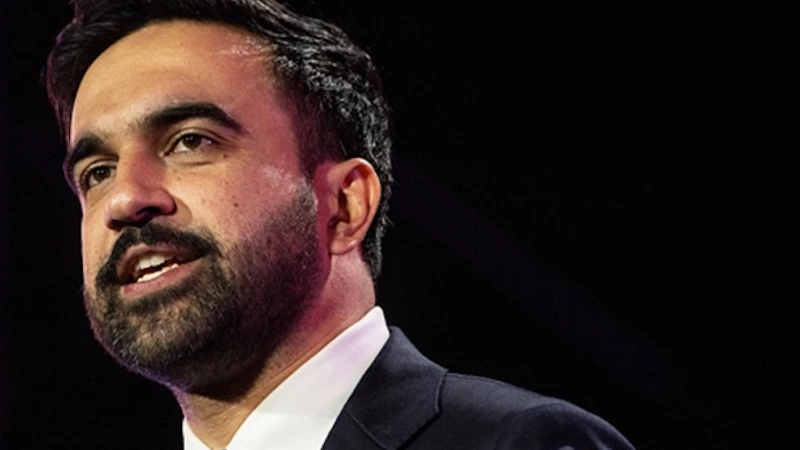
The Man Running America’s Biggest City Just Threatened to Arrest an Israeli PM. Let That Sink In.
Zohran Mamdani, who took office as New York City’s mayor earlier this year, told reporters he was in “active conversation” with the city’s Law Department about whether to arrest Benjamin Netanyahu if the Israeli prime minister sets foot in New York. No federal charges. Read more
The Vandals Are Here, and They Came From Within
A recent Gallup survey found American pride at a record low. Not a polling artifact, not a margin-of-error quirk — a historic nadir in the percentage of Americans who describe themselves as “extremely proud” of their country. Read more
Degrees Without Merit: How the Long March Through Institutions Is Producing Frauds in Lab Coats
Trump Told You Iran Doesn’t Keep Deals. The Burning Tankers Prove It
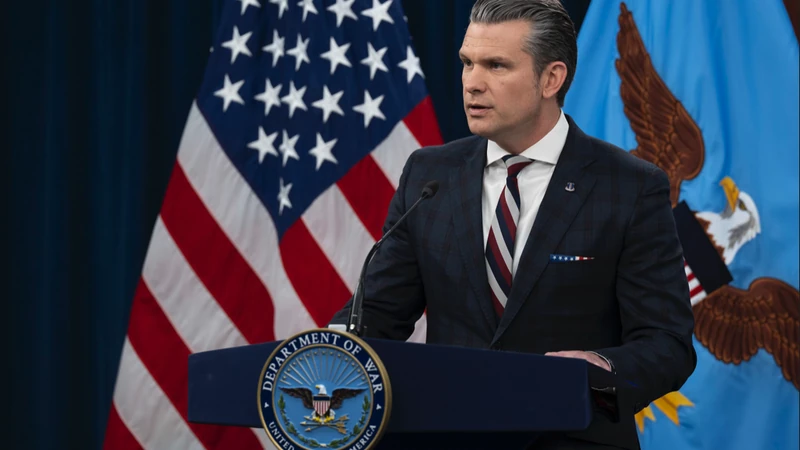
Pentagon-DOJ Task Force to Hunt and Prosecute National Security Leakers ‘With the Full Force of the Law’
Defense Secretary Pete Hegseth announced Monday that the Pentagon has established a joint task force with the Department of Justice to identify and criminally prosecute government officials who leak sensitive national security information to journalists, according to a statement from the Defense Department. Read more
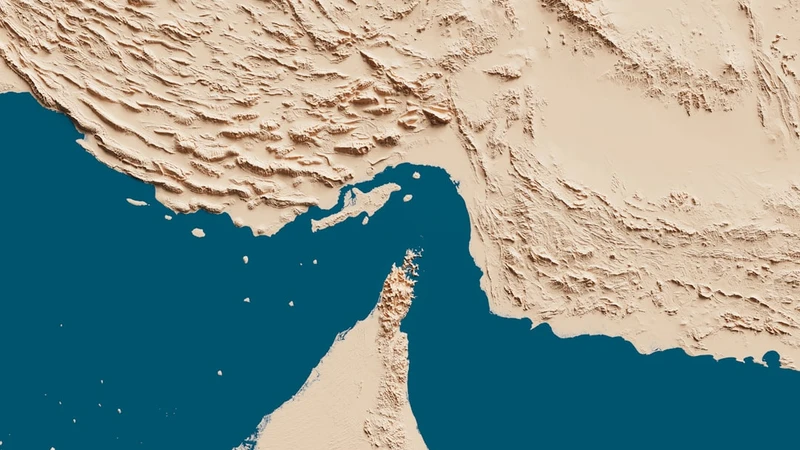
Fire on the Water: Thucydides, the Hormuz Strait, and America’s Test of Will
Thucydides, writing of the protracted struggle between Athens and Sparta in the fifth century before Christ, observed that nations go to war not for the stated reasons of justice or grievance, but because of fear, honor, and interest — Read more