WASHINGTON—President Trump is closer to his second Election Day than his first, and an impeachment probe threatens his political future. But inside Trump campaign rallies, it’s still 2016.
At each rally, energy pulsates through a crowd that waited hours to stand and chant for a border wall, a drained swamp and Hillary Clinton’s incarceration. They rejoice in the mention of every electoral vote as Mr. Trump recounts his victory, state by state.
Mr. Trump’s rallies played a central role to his first victory. With an existential threat to his presidency looming, they are in many ways more important than ever. Rallies let the president “cut through all of the noise” in Washington about impeachment and speak unfiltered to his supporters, said Tim Murtaugh, the Trump-campaign communications director.
“Rallies were always an integral, main part of the campaign strategy, but now it makes communicating with people directly that much more important,” he said. “It’s also important for the president’s supporters to see him out there fighting.”
The rally strategy represents a bet that preserving such a base-pleasing dynamicoutweighs the need to provide a fresh message to skeptical voters. Keeping his core supporters motivated has become paramount as the impeachment inquiry adds a new challenge to his re-election hopes and ability to keep Republicans in line.
Trump rallies are more meticulously produced than the loose and thinly staffed events of four years ago. And while the events don’t earn nearly as much free media as in 2016—cable networks stopped airing them at full length months ago—the campaign has turned them into giant, roving field offices that vacuum up personal data from rallygoers, register new voters and sign up his most enthusiastic supporters as volunteers.
“The rallies,” said Mr. Trump’s campaign chief operating officer, Michael Glassner, “are the driving force behind this movement.”
Mr. Trump’s rallies since the House opened its impeachment probe, which stemmed from a call between the president and his Ukrainian counterpart, reaffirmed his plan to rely on thedivisive rhetoric that defined his 2016 bid.
He turned the son of former Vice President Joe Biden into a campaign prop in Minneapolis on Oct. 10. The next day in Louisiana, he said Sen. Bernie Sanders lost “a lot of bat-head speed” after the Vermont Democrat suffered a heart attack, and he said Democratic House Speaker Nancy Pelosi “hates the United States of America.” In Texas on Thursday, he described Democrats as crazy, corrupt and dumb.
At each stop, Mr. Trump cast the impeachment inquiry as part of a yearslong effort to harass him. Even new controversies have taken on an air of nostalgia. “They’re pursuing the insane impeachment witch hunt,” Mr. Trump told 20,000 people at the Target Center in Minneapolis. “I’ve been going through it now for more time than I’ve been in office.”
To Trump supporters waiting in lines at recent rallies, the Republican National Committee has distributed office phone numbers of Democratic congressmen along with scripts urging the lawmakers to “end this witch hunt,” support the president and demand the resignation of Rep. Adam Schiff, the California Democrat overseeing the House investigation.
Read More...
Trump campaign mulls facial recognition at rallies to analyze supporters...
Current News
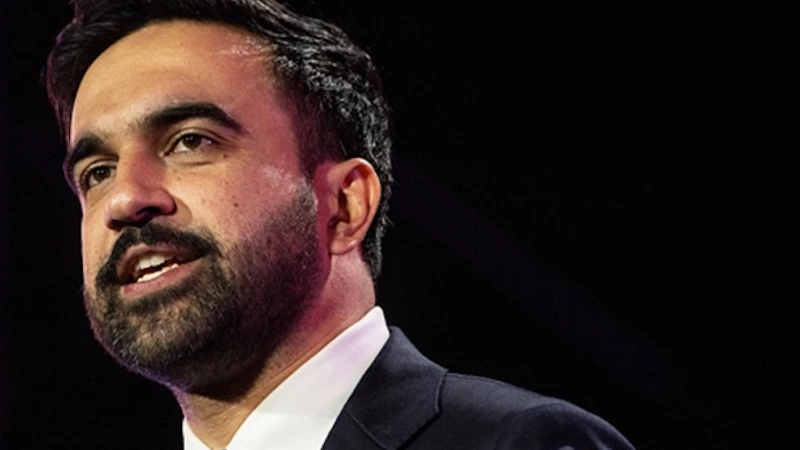
The Man Running America’s Biggest City Just Threatened to Arrest an Israeli PM. Let That Sink In.
Zohran Mamdani, who took office as New York City’s mayor earlier this year, told reporters he was in “active conversation” with the city’s Law Department about whether to arrest Benjamin Netanyahu if the Israeli prime minister sets foot in New York. No federal charges. Read more
The Vandals Are Here, and They Came From Within
A recent Gallup survey found American pride at a record low. Not a polling artifact, not a margin-of-error quirk — a historic nadir in the percentage of Americans who describe themselves as “extremely proud” of their country. Read more
Degrees Without Merit: How the Long March Through Institutions Is Producing Frauds in Lab Coats
Trump Told You Iran Doesn’t Keep Deals. The Burning Tankers Prove It
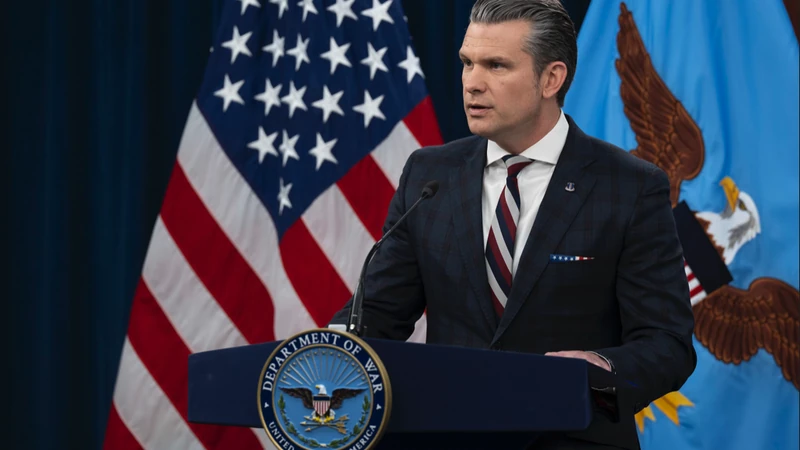
Pentagon-DOJ Task Force to Hunt and Prosecute National Security Leakers ‘With the Full Force of the Law’
Defense Secretary Pete Hegseth announced Monday that the Pentagon has established a joint task force with the Department of Justice to identify and criminally prosecute government officials who leak sensitive national security information to journalists, according to a statement from the Defense Department. Read more
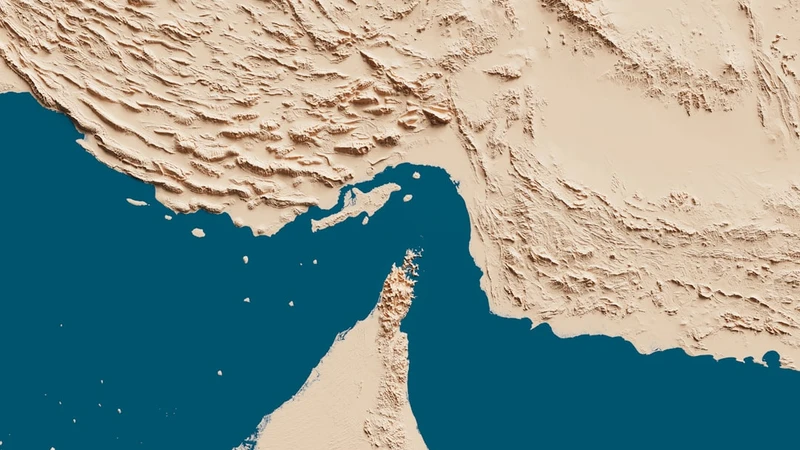
Fire on the Water: Thucydides, the Hormuz Strait, and America’s Test of Will
Thucydides, writing of the protracted struggle between Athens and Sparta in the fifth century before Christ, observed that nations go to war not for the stated reasons of justice or grievance, but because of fear, honor, and interest — Read more