A former regional director of a Philadelphia Starbucks cafe at the center of a racially charged incident that sparked national protests of the company is now suing her former employer for racial discrimination. The company, she alleges, fired her, a white female, and unfairly punished other white employees in order to appease protesters.
Shannon Phillips, the former regional director whose region included a Center City Philadelphia Starbucks, says she was fired less than a month after one of the store’s managers called police to remove two black men who remained in the cafe after refusing to order anything.
Phillips says she was terminated “because she objected to placing the white district manager at the 18th and Spruce Streets store on administrative leave for purportedly paying lower salaries to black workers than their white counterparts,” The Philadelphia Inquirer reported Thursday.
“Phillips, who lives in South Jersey and worked for the coffee chain for 13 years, says Starbucks’ reason for disciplining the manager was ‘factually impossible,’ as the company’s ‘Partner Resources’ branch sets employee salaries without input from the store’s district manager,” the paper reports.
In response, Phillips has filed a lawsuit against the company alleging racial discrimination. Her attorney has asked for a jury trial.
In a statement to CBS3 Philadelphia, Starbucks denied the accusation. “We deny the claims of the lawsuit and are prepared to defend our case in court,” a Starbucks spokesperson told the outlet.
Read More...
Starbucks Sued For Discriminating Against White People
Current News
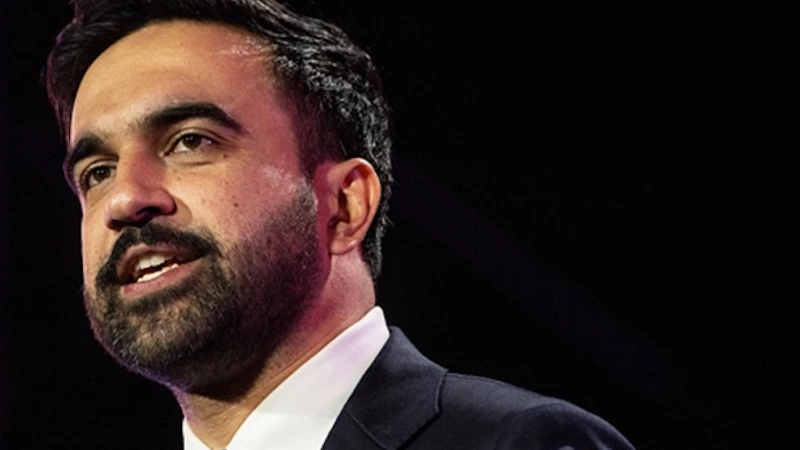
The Man Running America’s Biggest City Just Threatened to Arrest an Israeli PM. Let That Sink In.
Zohran Mamdani, who took office as New York City’s mayor earlier this year, told reporters he was in “active conversation” with the city’s Law Department about whether to arrest Benjamin Netanyahu if the Israeli prime minister sets foot in New York. No federal charges. Read more
The Vandals Are Here, and They Came From Within
A recent Gallup survey found American pride at a record low. Not a polling artifact, not a margin-of-error quirk — a historic nadir in the percentage of Americans who describe themselves as “extremely proud” of their country. Read more
Degrees Without Merit: How the Long March Through Institutions Is Producing Frauds in Lab Coats
Trump Told You Iran Doesn’t Keep Deals. The Burning Tankers Prove It
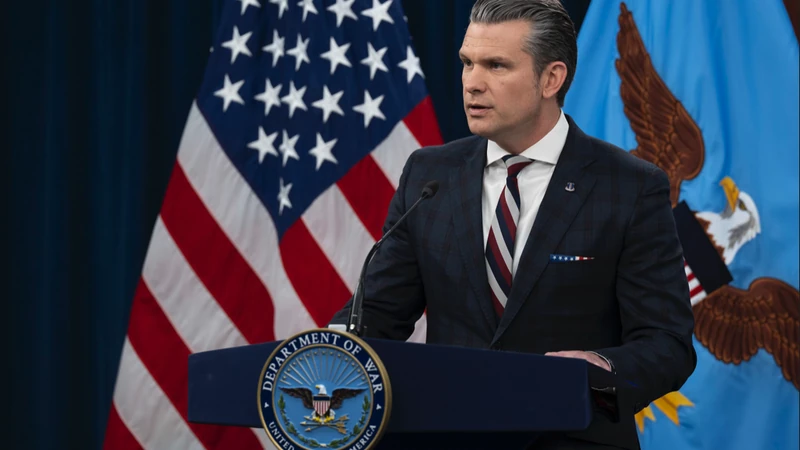
Pentagon-DOJ Task Force to Hunt and Prosecute National Security Leakers ‘With the Full Force of the Law’
Defense Secretary Pete Hegseth announced Monday that the Pentagon has established a joint task force with the Department of Justice to identify and criminally prosecute government officials who leak sensitive national security information to journalists, according to a statement from the Defense Department. Read more

Fire on the Water: Thucydides, the Hormuz Strait, and America’s Test of Will
Thucydides, writing of the protracted struggle between Athens and Sparta in the fifth century before Christ, observed that nations go to war not for the stated reasons of justice or grievance, but because of fear, honor, and interest — Read more