U.S. Attorney John Durham's investigation into the origins of the FBI's 2016 Russia probe has expanded based on new evidence uncovered during a recent trip to Rome with Attorney General Bill Barr, sources told Fox News on Tuesday.
The sources said Durham was "very interested" to question former Director of National Intelligence James Clapper and former CIA Director John Brennan, an anti-Trump critic who recently dismissed the idea.
The two Obama administration officials were at the helm when the unverified and largely discredited Steele dossier, written by British ex-spy Christopher Steele and funded by the Hillary Clinton campaign and Democratic National Committee, was used to justify a secret surveillance warrant against former Trump adviser Carter Page.
In Italy, Barr reportedly told embassy officials he "needed a conference room to meet high-level Italian security agents where he could be sure no one was listening in."
A source in the Italian Ministry of Justice told The Daily Beast earlier this month that Barr and Durham were played a taped deposition made by Joseph Mifsud, the professor who allegedly told ex-Trump aide George Papadopoulos that the Russians had "dirt" on Hillary Clinton. Mifsud reportedly was explaining to authorities in the deposition why people would want to harm him, and why he needed police protection.
Papadopoulos has suggested he was connected with Mifsud as part of a setup orchestrated by intelligence agencies.
President Trump last month informed several countries that Barr would be contacting the appropriate law enforcement entities in each country, according to a DOJ official. When Barr was in Italy that month, he spoke to law enforcement officials there about Durham's review, the source told Fox News.
Additionally, documents obtained by Fox News confirmed that Australia proactively offered support for Barr's review, and seemingly contradicted reporting that Trump was pressuring other countries to assist.
Read More...
Spymasters fall into the Inspector General's crosshairs
Current News
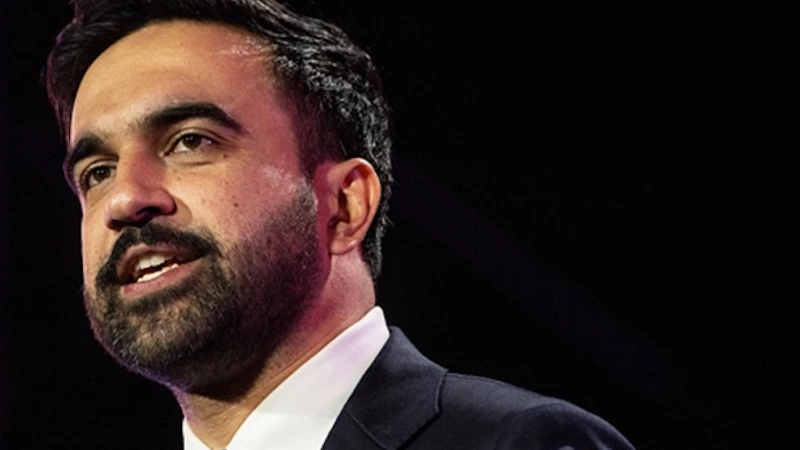
The Man Running America’s Biggest City Just Threatened to Arrest an Israeli PM. Let That Sink In.
Zohran Mamdani, who took office as New York City’s mayor earlier this year, told reporters he was in “active conversation” with the city’s Law Department about whether to arrest Benjamin Netanyahu if the Israeli prime minister sets foot in New York. No federal charges. Read more

The Vandals Are Here, and They Came From Within
A recent Gallup survey found American pride at a record low. Not a polling artifact, not a margin-of-error quirk — a historic nadir in the percentage of Americans who describe themselves as “extremely proud” of their country. Read more
Degrees Without Merit: How the Long March Through Institutions Is Producing Frauds in Lab Coats
Trump Told You Iran Doesn’t Keep Deals. The Burning Tankers Prove It
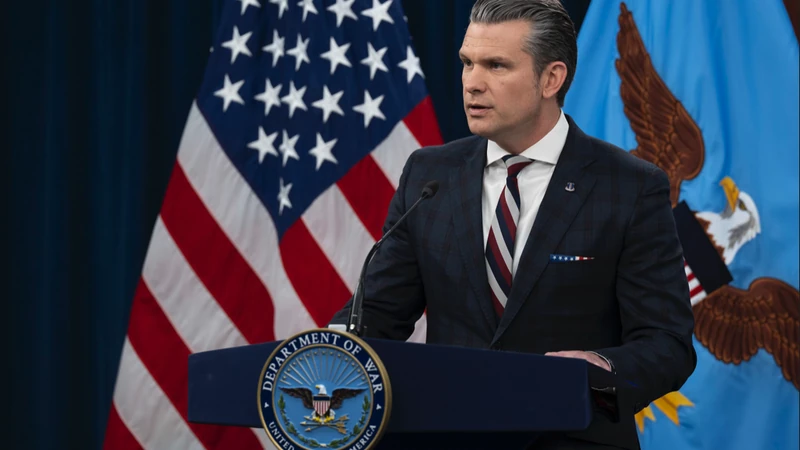
Pentagon-DOJ Task Force to Hunt and Prosecute National Security Leakers ‘With the Full Force of the Law’
Defense Secretary Pete Hegseth announced Monday that the Pentagon has established a joint task force with the Department of Justice to identify and criminally prosecute government officials who leak sensitive national security information to journalists, according to a statement from the Defense Department. Read more
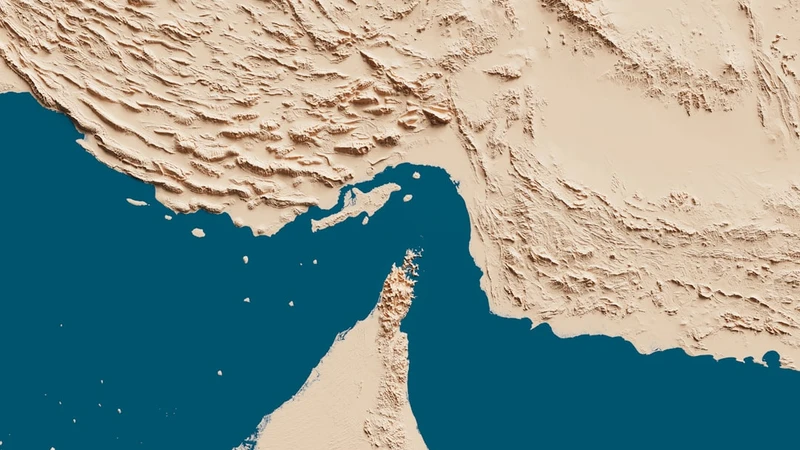
Fire on the Water: Thucydides, the Hormuz Strait, and America’s Test of Will
Thucydides, writing of the protracted struggle between Athens and Sparta in the fifth century before Christ, observed that nations go to war not for the stated reasons of justice or grievance, but because of fear, honor, and interest — Read more