For many of the national security teams that monitor threats on the U.S., the apparent drone strike Saturday on the heart of Saudi Arabia’s oil production facilities was the realization of their worst fears.
Houthi rebels battling Saudi Arabia in Yemen took responsibility for the attack and said they used drones, though U.S. officials have said Iran was behind the attack and that at least some cruise missiles may have been used.
The attack underscored fears raised by U.S. security officials and experts in terrorism about the rapid evolution of technologies that could have allowed inexpensive devices to pierce Saudi defenses in a way that a traditional air force could not: flying long distances to drop potent bombs that apparently set vast portions of the Saudi petroleum infrastructure ablaze.
“The bottom line is that we are likely to see many more of these sorts of attacks, and in particular, coordinated attacks on multiple targets are likely, possibly in tandem with a cyberattack component,” Milena Rodban, an independent risk consultant based in Washington, said in an email.
The risk is hardly new, though, for law enforcement and homeland security officials. FBI Director Christopher Wray in October warned a Senate committee that civilian drones pose a “steadily escalating threat.” The devices are likely to be used by terrorists, criminal groups or drug cartels to carry out attacks in the U.S., he said.
Dozens of incidents in recent years have hinted at the risks, from the mysterious drone flying at London’s Gatwick Airport in December that disrupted operations for days, to recent assassination attempts using the devices in Yemen and Venezuela.
But even as the threat is well documented and understood, the counter-measures necessary to prevent or repel an attack are far murkier.
Read More...
Pearl Harbor like? IRAN allegedly attacks Saudi Arabia disrupting world oil supply
Current News
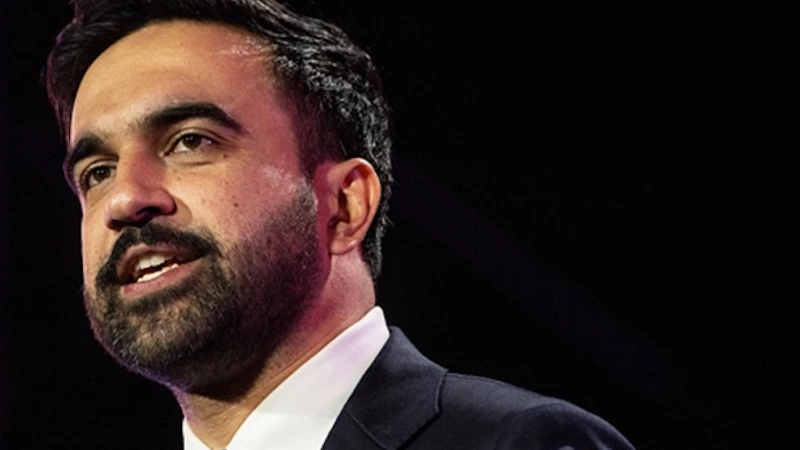
The Man Running America’s Biggest City Just Threatened to Arrest an Israeli PM. Let That Sink In.
Zohran Mamdani, who took office as New York City’s mayor earlier this year, told reporters he was in “active conversation” with the city’s Law Department about whether to arrest Benjamin Netanyahu if the Israeli prime minister sets foot in New York. No federal charges. Read more

The Vandals Are Here, and They Came From Within
A recent Gallup survey found American pride at a record low. Not a polling artifact, not a margin-of-error quirk — a historic nadir in the percentage of Americans who describe themselves as “extremely proud” of their country. Read more
Degrees Without Merit: How the Long March Through Institutions Is Producing Frauds in Lab Coats
Trump Told You Iran Doesn’t Keep Deals. The Burning Tankers Prove It
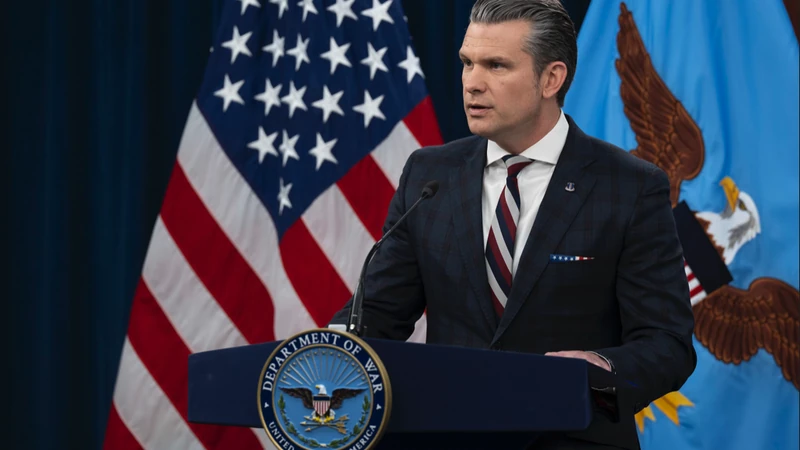
Pentagon-DOJ Task Force to Hunt and Prosecute National Security Leakers ‘With the Full Force of the Law’
Defense Secretary Pete Hegseth announced Monday that the Pentagon has established a joint task force with the Department of Justice to identify and criminally prosecute government officials who leak sensitive national security information to journalists, according to a statement from the Defense Department. Read more

Fire on the Water: Thucydides, the Hormuz Strait, and America’s Test of Will
Thucydides, writing of the protracted struggle between Athens and Sparta in the fifth century before Christ, observed that nations go to war not for the stated reasons of justice or grievance, but because of fear, honor, and interest — Read more