The New York Times suddenly made a major revision to a supposed bombshell piece late Sunday concerning a resurfaced allegation of sexual assault by Supreme Court Justice Brett Kavanaugh — hours after virtually all 2020 Democratic presidential candidates had cited the original article as a reason to impeach Kavanaugh.
The update included the significant detail that several friends of the alleged victim, Harmon Joyce, said she did not recall the purported sexual assault in question at all. The Times also stated for the first time that the alleged victim refused to be interviewed, and has made no other comment about the episode.
The only firsthand account concerning the supposed attack in the original piece, which was published on Saturday, came from a Clinton-connected lawyer who claimed to have witnessed it. (The lawyer, Max Stier, did not actually provide his account directly; the Times acknowledged that "two officials who have communicated with Mr. Stier" had relayed his supposed version of events.)
The Times' revision says: "Editors' Note: An earlier version of this article, which was adapted from a forthcoming book, did not include one element of the book's account regarding an assertion by a Yale classmate that friends of Brett Kavanaugh pushed his penis into the hand of a female student at a drunken dorm party. The book reports that the female student declined to be interviewed and friends say that she does not recall the incident. That information has been added to the article."
Even after the revision, the Times' story still does not mention a separate revelation in the book that Leland Keyser, the friend of Christine Blasey Ford who was allegedly at the party where Kavanaugh supposedly assaulted her, had specifically rejected Ford's claims. Previously, through her attorney, Keyser had said only that she was "unable to corroborate it because she has no recollection of the incident in question.”
“I don’t have any confidence in the story,” Keyser told the reporters, according to the book. "Those facts together I don't recollect, and it just didn't make any sense."
The Times' update came only after The Federalist's Mollie Hemingway, who reviewed an advance copy of the book, first flagged the article's omission on Twitter — prompting other commentators to press the issue.
The Times did not immediately respond to an email from Fox News seeking comment.
The paper's editors' note, meanwhile, did little to stem a torrent of criticism late Sunday.
Read More...
NYT updates Kavanaugh 'bombshell' to note accuser doesn't recall alleged assault
Current News
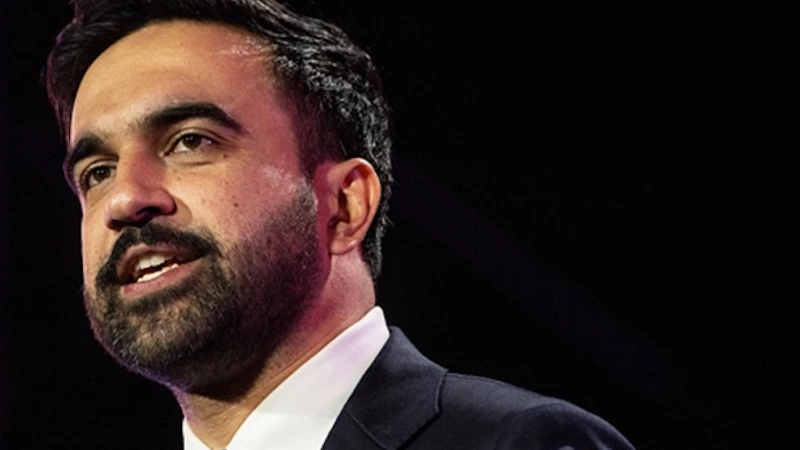
The Man Running America’s Biggest City Just Threatened to Arrest an Israeli PM. Let That Sink In.
Zohran Mamdani, who took office as New York City’s mayor earlier this year, told reporters he was in “active conversation” with the city’s Law Department about whether to arrest Benjamin Netanyahu if the Israeli prime minister sets foot in New York. No federal charges. Read more

The Vandals Are Here, and They Came From Within
A recent Gallup survey found American pride at a record low. Not a polling artifact, not a margin-of-error quirk — a historic nadir in the percentage of Americans who describe themselves as “extremely proud” of their country. Read more
Degrees Without Merit: How the Long March Through Institutions Is Producing Frauds in Lab Coats
Trump Told You Iran Doesn’t Keep Deals. The Burning Tankers Prove It
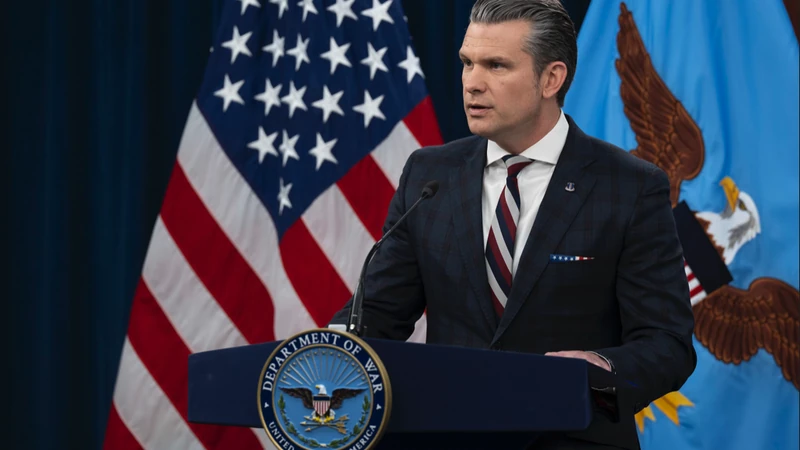
Pentagon-DOJ Task Force to Hunt and Prosecute National Security Leakers ‘With the Full Force of the Law’
Defense Secretary Pete Hegseth announced Monday that the Pentagon has established a joint task force with the Department of Justice to identify and criminally prosecute government officials who leak sensitive national security information to journalists, according to a statement from the Defense Department. Read more

Fire on the Water: Thucydides, the Hormuz Strait, and America’s Test of Will
Thucydides, writing of the protracted struggle between Athens and Sparta in the fifth century before Christ, observed that nations go to war not for the stated reasons of justice or grievance, but because of fear, honor, and interest — Read more