James Clapper, formerly the Director of National Intelligence, penned a glowing testimonial to FBI Director Christopher Wray in 2018 in an strenuous effort to save Andrew McCabe’s job, calling the fired FBI deputy director a man of "self-effacing humility" and “impeccable integrity.”
The lengthy and apparently heartfelt handwritten letter by Clapper appeared amid hundreds of pages of newly released FBI documents made public through Freedom of Information Act litigation carried out by the left-leaning watchdog Citizens for Responsibility and Ethics in Washington.
The note from Clapper to Wray, dated Feb. 25, 2018, came the same month that DOJ Inspector General Michael Horowitz completed his investigation concluding that McCabe improperly disclosed investigative information on the Clinton Foundation to the media and misled investigators about it. Then-Attorney General Jeff Sessions fired McCabe on March 16, 2018, just before his retirement was to begin, citing Horowitz’s conclusions.
Clapper, now a strident Trump critic and who served as DNI from 2010 through 2017, was effusive in its praise of McCabe, calling him “steady, straightforward, candid, forthright, and honest” and claiming that the “biased scrutiny” and the “firestorm of criticism” against the embattled bureau deputy “completely unjustified and profoundly unfair.”
Read More...
'Impeccable integrity': Clapper intervened to lavish McCabe with praise in bid to save him at FBI
Current News
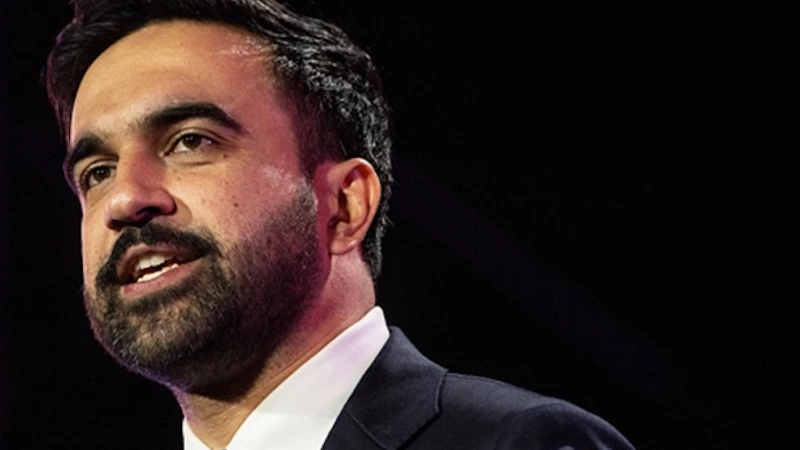
The Man Running America’s Biggest City Just Threatened to Arrest an Israeli PM. Let That Sink In.
Zohran Mamdani, who took office as New York City’s mayor earlier this year, told reporters he was in “active conversation” with the city’s Law Department about whether to arrest Benjamin Netanyahu if the Israeli prime minister sets foot in New York. No federal charges. Read more

The Vandals Are Here, and They Came From Within
A recent Gallup survey found American pride at a record low. Not a polling artifact, not a margin-of-error quirk — a historic nadir in the percentage of Americans who describe themselves as “extremely proud” of their country. Read more
Degrees Without Merit: How the Long March Through Institutions Is Producing Frauds in Lab Coats
Trump Told You Iran Doesn’t Keep Deals. The Burning Tankers Prove It
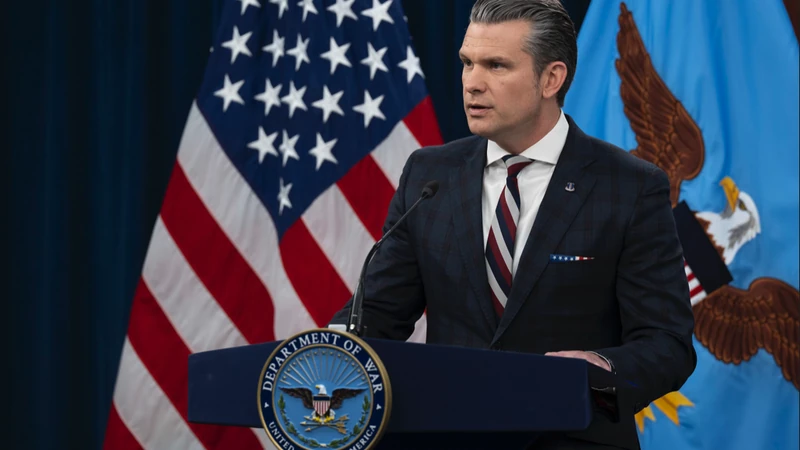
Pentagon-DOJ Task Force to Hunt and Prosecute National Security Leakers ‘With the Full Force of the Law’
Defense Secretary Pete Hegseth announced Monday that the Pentagon has established a joint task force with the Department of Justice to identify and criminally prosecute government officials who leak sensitive national security information to journalists, according to a statement from the Defense Department. Read more

Fire on the Water: Thucydides, the Hormuz Strait, and America’s Test of Will
Thucydides, writing of the protracted struggle between Athens and Sparta in the fifth century before Christ, observed that nations go to war not for the stated reasons of justice or grievance, but because of fear, honor, and interest — Read more