Presidential candidate Tulsi Gabbard on Monday suggested that a "face-to-face" with Hillary Clinton might be an appropriate next step, as both Democratic and Republican politicians, including President Trump and Sen. Bernie Sanders, condemned Clinton's unfounded suggestion that the congresswoman is a secret Russian asset.
Speaking to reporters at an Iowa coffee shop, Gabbard, D-Hawaii, lamented that Clinton had pulled out of a planned appearance at Fortune’s Most Powerful Women Summit, where Gabbard is set to speak. Clinton was said to have abandoned the summit to avoid appearing with former Homeland Security Secretary Kirstjen Nielsen.
"Well, she had something to say about me, and I would have been very happy to have that conversation directly face-to-face with her," Gabbard said.
Earlier Monday, Sanders, I-Vt., joined fellow presidential candidates Andrew Yang, Marianne Williamson and Beto O'Rourke in defending Gabbard.
"Tulsi Gabbard has put her life on the line to defend this country," Sanders tweeted,referring to Gabbard's overseas deployments. "People can disagree on issues, but it is outrageous for anyone to suggest that Tulsi is a foreign asset."
Asked for her reaction to Sanders' comment, Gabbard said only, "Thank you for speaking the truth."
Gabbard said she had not spoken with Sanders since last week's presidential primary debate.
Read More...
Gabbard says she's open to 'face-to-face' meeting with Clinton, amid 'Russian asset' accusation
Current News
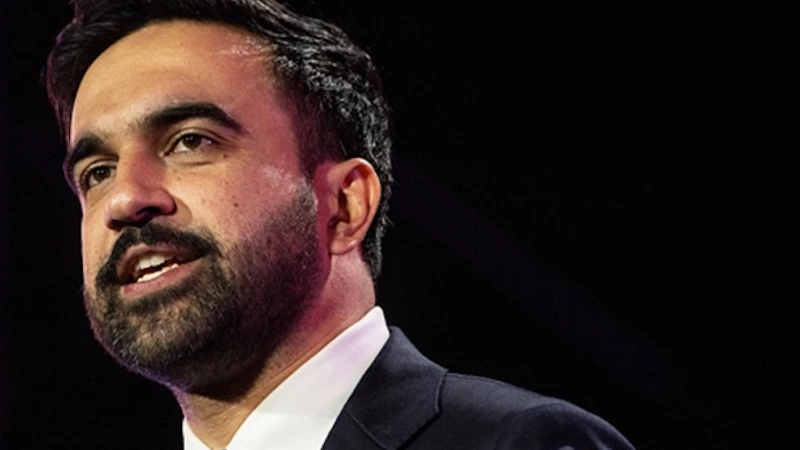
The Man Running America’s Biggest City Just Threatened to Arrest an Israeli PM. Let That Sink In.
Zohran Mamdani, who took office as New York City’s mayor earlier this year, told reporters he was in “active conversation” with the city’s Law Department about whether to arrest Benjamin Netanyahu if the Israeli prime minister sets foot in New York. No federal charges. Read more

The Vandals Are Here, and They Came From Within
A recent Gallup survey found American pride at a record low. Not a polling artifact, not a margin-of-error quirk — a historic nadir in the percentage of Americans who describe themselves as “extremely proud” of their country. Read more
Degrees Without Merit: How the Long March Through Institutions Is Producing Frauds in Lab Coats
Trump Told You Iran Doesn’t Keep Deals. The Burning Tankers Prove It
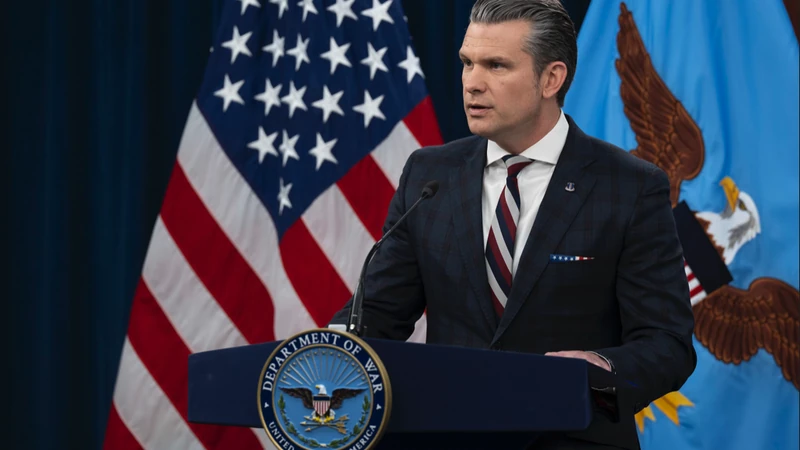
Pentagon-DOJ Task Force to Hunt and Prosecute National Security Leakers ‘With the Full Force of the Law’
Defense Secretary Pete Hegseth announced Monday that the Pentagon has established a joint task force with the Department of Justice to identify and criminally prosecute government officials who leak sensitive national security information to journalists, according to a statement from the Defense Department. Read more

Fire on the Water: Thucydides, the Hormuz Strait, and America’s Test of Will
Thucydides, writing of the protracted struggle between Athens and Sparta in the fifth century before Christ, observed that nations go to war not for the stated reasons of justice or grievance, but because of fear, honor, and interest — Read more