Democratic Sen. Elizabeth Warren of Massachusetts was the big winner Tuesday night in Westerville, Ohio in the most crowded presidential debate ever held. Sen. Bernie Sanders of Vermont and Mayor Pete Buttigieg of South Bend, Ind., also delivered strong performances.
Former Vice President Joe Biden and the other eight candidates on stage came out the losers in the three-hour Democratic presidential primary debate.
Warren’s strong performance will likely solidify her frontrunner status ahead of Biden and Sanders. She emerged the clear winner of the night by showing she was sharp and prepared as she fended off attacks from candidates who were looking to cut into her polling lead.
Even during the heated exchanges over health care and a wealth tax, Warren was able to turn attacks leveled against her around, and still deliver the best answers of the evening.
Warren questioned why the other candidates “think it is more important to protect billionaires than to invest in Americans” when responding to an attack on her plan for a wealth tax.
And importantly, Warren remained the focal point of the debate, speaking for the most amount of time of all of the candidates.
The senator from Massachusetts now has unmatched fundraising and polling momentum, along with a series of strong debate performances. This, coupled with the fact that Biden and Sanders have been weakened in dissimilar but debilitating ways recently, almost guarantees that Warren will take over as the front-runner.
Read More...
Fourth Democratic debate's big winner, 2 surprise showings and the biggest loser
Current News
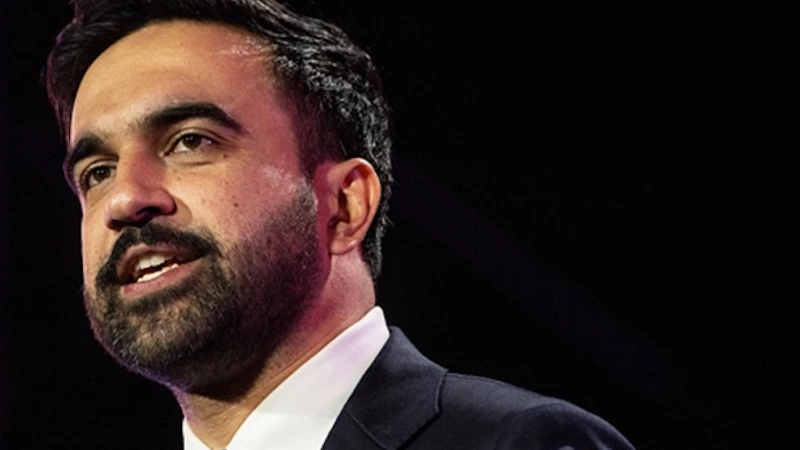
The Man Running America’s Biggest City Just Threatened to Arrest an Israeli PM. Let That Sink In.
Zohran Mamdani, who took office as New York City’s mayor earlier this year, told reporters he was in “active conversation” with the city’s Law Department about whether to arrest Benjamin Netanyahu if the Israeli prime minister sets foot in New York. No federal charges. Read more

The Vandals Are Here, and They Came From Within
A recent Gallup survey found American pride at a record low. Not a polling artifact, not a margin-of-error quirk — a historic nadir in the percentage of Americans who describe themselves as “extremely proud” of their country. Read more
Degrees Without Merit: How the Long March Through Institutions Is Producing Frauds in Lab Coats
Trump Told You Iran Doesn’t Keep Deals. The Burning Tankers Prove It
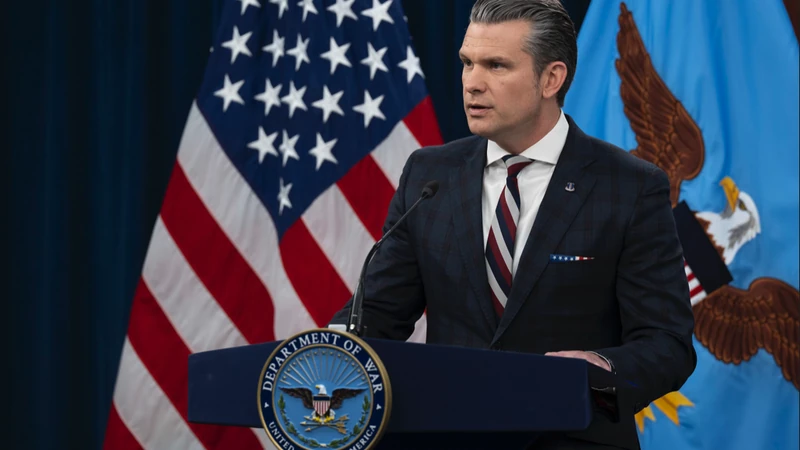
Pentagon-DOJ Task Force to Hunt and Prosecute National Security Leakers ‘With the Full Force of the Law’
Defense Secretary Pete Hegseth announced Monday that the Pentagon has established a joint task force with the Department of Justice to identify and criminally prosecute government officials who leak sensitive national security information to journalists, according to a statement from the Defense Department. Read more

Fire on the Water: Thucydides, the Hormuz Strait, and America’s Test of Will
Thucydides, writing of the protracted struggle between Athens and Sparta in the fifth century before Christ, observed that nations go to war not for the stated reasons of justice or grievance, but because of fear, honor, and interest — Read more