Sen. Bernie Sanders’ campaign on Thursday accused Joe Biden of selling out to big donors in an effort to “buy the election” following reports that the former vice president and frontrunner for the Democratic Party’s 2020 presidential nomination would form a super PAC to accept unlimited donations from billionaires and corporate elites to cure his current fundraising woes.
A spokesperson for Biden’s campaign responded Thursday evening, telling Fox News in a statement that, in the eyes of President Trump, “the general election has already begun,” and Democrats must use any means possible within the parameters of current federal elections laws to win back the presidency — even if that includes taking money from corporations and billionaires alike.
"Joe Biden has spent his campaign promising elite donors that nothing will fundamentally change for them, and he has made clear to fossil fuel and pharmaceutical donors that he will be their ally,” Sanders’ campaign manager, Faiz Shakir, said in a statement. “As a result, he has had trouble generating significant grassroots support from Americans who are getting crushed by those same big donors — and so his supporters are suddenly begging for help from super PACs, even though they are vehicles for the kind of corporate corruption that Democrats should be fighting to stop.”
"Let’s be clear: super PACs exist for one reason and one reason only: to help billionaires and corporations bankroll a presidential campaign with unlimited amounts of money, in exchange for favors,” he continued. “Every Democratic candidate should forcefully reject any help from super PACs -- and they should tell their supporters and surrogates to stop engaging with super PACs that aim to buy elections and undermine our democracy.”
Biden, who’s trailing his Democratic rivals in fundraising, said when he first announced his candidacy in April that he would not accept money from super PACs. The former U.S. senator from Delaware declared he was committed to driving perceived "dark money" from politics.
Before entering the 2020 race, Biden told PBS NewsHour in January 2018 that he was the one who told Sanders not to accept super PAC money, arguing he would lose the trust of the middle class.
“My positions are a hell of a lot closer to Elizabeth Warren and Bernie Sanders on some of the economic positions,” Biden told PBS’s Judy Woodruff last year. “I mean, I sat with Bernie. I'm the guy that told him you shouldn't accept any money from a super PAC because people can't possibly trust you.”
Within the third quarter, Biden’s campaign raised $15.2 million but was left with just $9 million after expenditures, Reuters reported. Meanwhile, the Trump campaign, which welcomes super PAC contributions, and the Republican Party together raised $125 million in that same time period for the president’s re-election, according to the Republican National Committee. Using these funds, Trump's campaign paid for attack ads targeting Biden amid an ongoing Democratic-led House impeachment inquiry against the president.
While Biden’s campaign this week softened its stance on accepting super PAC donations, Sanders boasted his bid for the presidency is 100 percent grassroots funded. Biden’s campaign told Fox News on Thursday that he is still committed to eradicating private donations from federal elections — but until he becomes president, is open to big-donor contributions to defeat Trump.
Read More...
Bernie Sanders slams Joe Biden campaign for accepting super PAC donations in effort to 'buy the election'
Current News
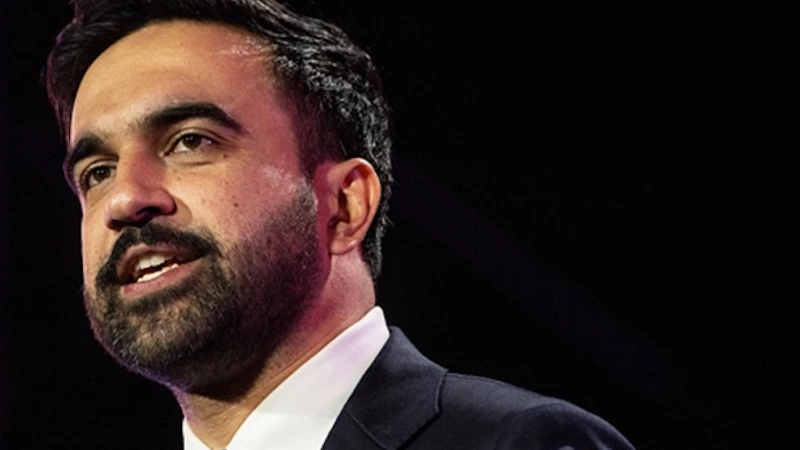
The Man Running America’s Biggest City Just Threatened to Arrest an Israeli PM. Let That Sink In.
Zohran Mamdani, who took office as New York City’s mayor earlier this year, told reporters he was in “active conversation” with the city’s Law Department about whether to arrest Benjamin Netanyahu if the Israeli prime minister sets foot in New York. No federal charges. Read more

The Vandals Are Here, and They Came From Within
A recent Gallup survey found American pride at a record low. Not a polling artifact, not a margin-of-error quirk — a historic nadir in the percentage of Americans who describe themselves as “extremely proud” of their country. Read more
Degrees Without Merit: How the Long March Through Institutions Is Producing Frauds in Lab Coats
Trump Told You Iran Doesn’t Keep Deals. The Burning Tankers Prove It
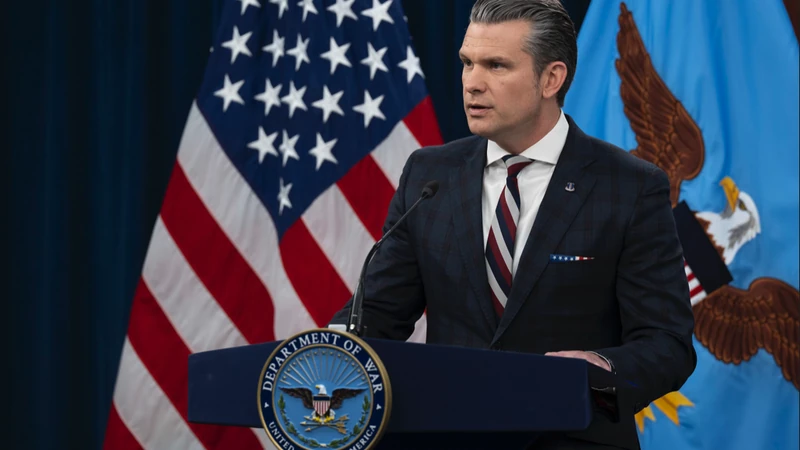
Pentagon-DOJ Task Force to Hunt and Prosecute National Security Leakers ‘With the Full Force of the Law’
Defense Secretary Pete Hegseth announced Monday that the Pentagon has established a joint task force with the Department of Justice to identify and criminally prosecute government officials who leak sensitive national security information to journalists, according to a statement from the Defense Department. Read more

Fire on the Water: Thucydides, the Hormuz Strait, and America’s Test of Will
Thucydides, writing of the protracted struggle between Athens and Sparta in the fifth century before Christ, observed that nations go to war not for the stated reasons of justice or grievance, but because of fear, honor, and interest — Read more