Sen. Elizabeth Warren pledged Friday not to raise middle class taxes to fund her “Medicare for All” plan, responding to pressure she faced as she emerged as one of the frontrunners for the 2020 Democratic presidential nomination.
In a new outline, Warren’s campaign said her single-payer health care plan would cost the country “just under” $52 trillion over a decade, which includes $20.5 trillion in new federal spending. It estimates the proposal would cost just less than the estimated $52 trillion in spending for the current system over 10 years.
The Massachusetts Democrat’s campaign said her plan would give every American “full health coverage, and coverage for long-term care.” It added that it would do so with “not one penny in middle-class tax increases” — a response to criticism from rivals such as South Bend, Ind. Mayor Pete Buttigieg.
As she saw her support swell in both national and early state polls in recent weeks, the 2020 presidential candidate faced more pressure about how she would fund a single-payer, government run health care system. While she had not yet answered specifically whether her plan would hike taxes on middle class Americans, she has repeatedly said it would cut costs by reducing spending on health care.
Warren’s campaign says it will shift the burden of most health care costs from consumers, in the form of spending such as premiums, deductibles and co-pays, to federal and state governments and employers. Here are the methods Warren’s campaign outlines to cover the plan’s costs, in terms of both reducing spending and raising money:
Read More...
BAD MATH: Elizabeth Warren says 52 TRILLION dollar plan won't raise Middle Class taxes
Current News
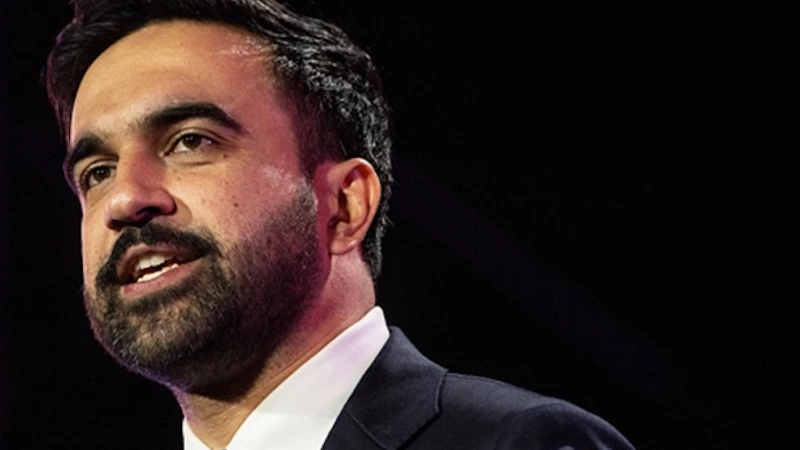
The Man Running America’s Biggest City Just Threatened to Arrest an Israeli PM. Let That Sink In.
Zohran Mamdani, who took office as New York City’s mayor earlier this year, told reporters he was in “active conversation” with the city’s Law Department about whether to arrest Benjamin Netanyahu if the Israeli prime minister sets foot in New York. No federal charges. Read more

The Vandals Are Here, and They Came From Within
A recent Gallup survey found American pride at a record low. Not a polling artifact, not a margin-of-error quirk — a historic nadir in the percentage of Americans who describe themselves as “extremely proud” of their country. Read more
Degrees Without Merit: How the Long March Through Institutions Is Producing Frauds in Lab Coats
Trump Told You Iran Doesn’t Keep Deals. The Burning Tankers Prove It
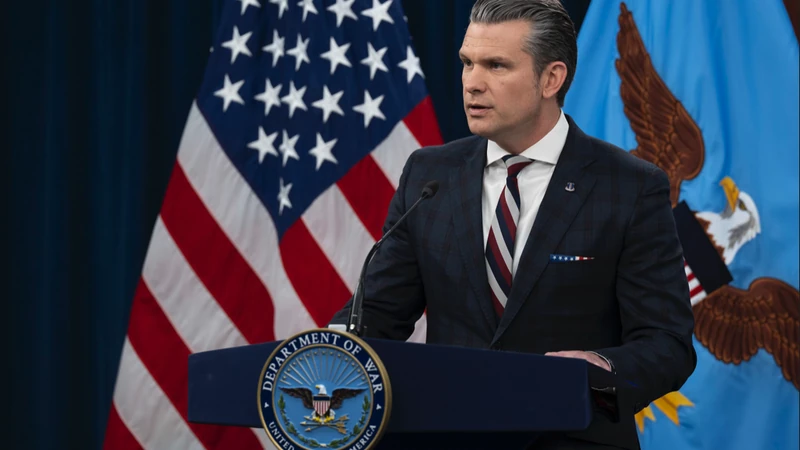
Pentagon-DOJ Task Force to Hunt and Prosecute National Security Leakers ‘With the Full Force of the Law’
Defense Secretary Pete Hegseth announced Monday that the Pentagon has established a joint task force with the Department of Justice to identify and criminally prosecute government officials who leak sensitive national security information to journalists, according to a statement from the Defense Department. Read more

Fire on the Water: Thucydides, the Hormuz Strait, and America’s Test of Will
Thucydides, writing of the protracted struggle between Athens and Sparta in the fifth century before Christ, observed that nations go to war not for the stated reasons of justice or grievance, but because of fear, honor, and interest — Read more