The White House learned that a C.I.A. officer had lodged allegations against President Trump’s dealings with Ukraine even as the officer’s whistle-blower complaint was moving through a process meant to protect him against reprisals, people familiar with the matter said on Thursday.
The officer first shared information about potential abuse of power and a White House cover-up with the C.I.A.’s top lawyer through an anonymous process, some of the people said. The lawyer shared the officer’s concerns with White House and Justice Department officials, following policy. Around the same time, the officer separately filed the whistle-blower complaint.
The revelations provide new insight about how the officer’s allegations moved through the bureaucracy of government. The Trump administration’s handling of the accusations is certain to be scrutinized, particularly by lawmakers weighing the impeachment of the president.
Sign Up For the Morning Briefing Newsletter
Lawyers for the whistle-blower refused to confirm that he worked for the C.I.A. and said that publishing information about him was dangerous.
“Any decision to report any perceived identifying information of the whistle-blower is deeply concerning and reckless, as it can place the individual in harm’s way,” said Andrew Bakaj, his lead counsel. “The whistle-blower has a right to anonymity.”
Neither the White House nor the National Security Council, its foreign policy arm, responded to requests for comment. The C.I.A. referred questions to the inspector general for the intelligence agencies, Michael Atkinson, who declined to comment.
A spokeswoman for the acting director of national intelligence, Joseph Maguire, said that protecting the whistle-blower was his office’s highest priority. “We must protect those who demonstrate the courage to report alleged wrongdoing, whether on the battlefield or in the workplace,” Mr. Maguire said at a hearing on Thursday, adding that he did not know the whistle-blower’s identity.
Dean Baquet, the executive editor of The New York Times, said The Times was right to publish information about the whistle-blower. “The president and some of his supporters have attacked the credibility of the whistle-blower, who has presented information that has touched off a landmark impeachment proceeding,” Mr. Baquet said. “The president himself has called the whistle-blower’s account a ‘political hack job.’”
Mr. Baquet added, “We decided to publish limited information about the whistle-blower — including the fact that he works for a nonpolitical agency and that his complaint is based on an intimate knowledge and understanding of the White House — because we wanted to provide information to readers that allows them to make their own judgments about whether or not he is credible. We also understand that the White House already knew he was a C.I.A. officer.”
Read More...
White House Knew of Whistle-Blower’s Allegations Soon After Trump’s Call With Ukraine Leader
Current News
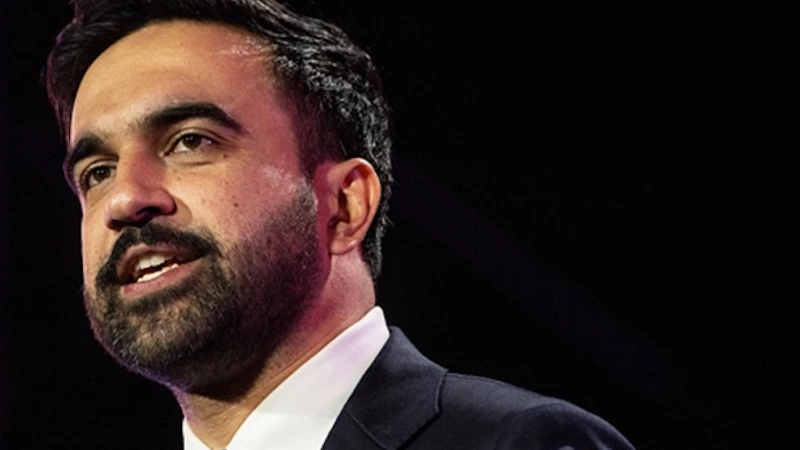
The Man Running America’s Biggest City Just Threatened to Arrest an Israeli PM. Let That Sink In.
Zohran Mamdani, who took office as New York City’s mayor earlier this year, told reporters he was in “active conversation” with the city’s Law Department about whether to arrest Benjamin Netanyahu if the Israeli prime minister sets foot in New York. No federal charges. Read more

The Vandals Are Here, and They Came From Within
A recent Gallup survey found American pride at a record low. Not a polling artifact, not a margin-of-error quirk — a historic nadir in the percentage of Americans who describe themselves as “extremely proud” of their country. Read more
Degrees Without Merit: How the Long March Through Institutions Is Producing Frauds in Lab Coats
Trump Told You Iran Doesn’t Keep Deals. The Burning Tankers Prove It
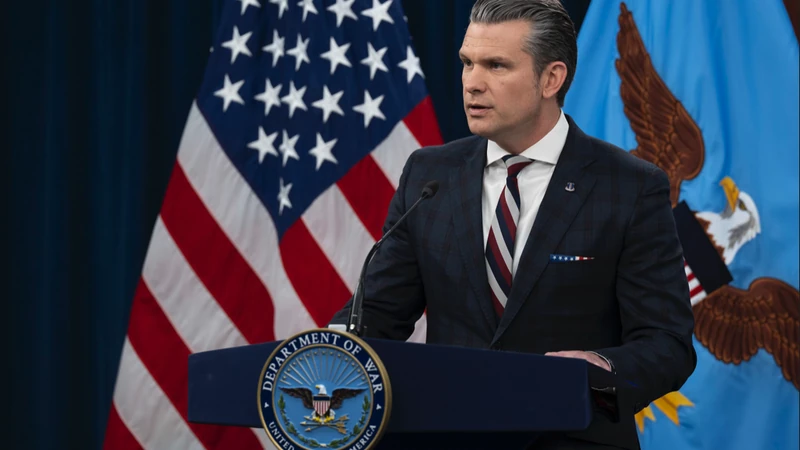
Pentagon-DOJ Task Force to Hunt and Prosecute National Security Leakers ‘With the Full Force of the Law’
Defense Secretary Pete Hegseth announced Monday that the Pentagon has established a joint task force with the Department of Justice to identify and criminally prosecute government officials who leak sensitive national security information to journalists, according to a statement from the Defense Department. Read more

Fire on the Water: Thucydides, the Hormuz Strait, and America’s Test of Will
Thucydides, writing of the protracted struggle between Athens and Sparta in the fifth century before Christ, observed that nations go to war not for the stated reasons of justice or grievance, but because of fear, honor, and interest — Read more