President Trump on Thursday excoriated an unidentified whistleblower and the White House aides who informed their complaint as “almost a spy” and likened their work to treason — part of a scorched-earth strategy he is directing for the Republican Party at the outset of an impeachment showdown.
Trump has acted impulsively and indignantly as he wages an all-out political war to defend himself from allegations that he abused his power to solicit foreign interference in his 2020 reelection bid.
And in a testament to how completely he controls the Republican Party, many GOP officeholders and conservative media figures have followed Trump’s cues by joining his attempts either to attack the anonymous whistleblower, discredit the explosive accounts in his or her complaint, or malign the media for covering it.
The coming weeks will test whether Trump’s familiar blame-the-accuser-and-counterattack playbook — while floating dark conspiracies to divert attention — will be successful in the face of mounting evidence that he asked Ukraine to dig up dirt on potential 2020 Democratic opponent Joe Biden.
Trump’s own appointed intelligence chief testified Thursday to the whistleblower’s credibility, and some of the allegations in the complaint were confirmed by the rough transcript of Trump’s July 25 call with Ukrainian President Volodymyr Zelensky that the White House released Wednesday.
Long indifferent to the norms that restrained his predecessors, Trump shattered another one Thursday by alluding to violence and possible death for the whistleblower’s sources in an apparent warning to witnesses inside the government who might be asked to testify against him.
Addressing employees of the U.S. Mission to the United Nations during a closed-door meeting in New York, Trump said, “I want to know who’s the person, who’s the person who gave the whistleblower the information? Because that’s close to a spy.”
“You know what we used to do in the old days when we were smart? Right? The spies and treason, we used to handle it a little differently than we do now,” Trump said, according to an audio recording published by the Los Angeles Times. An attendee confirmed the comments to The Washington Post.
Read More...
Trump writes the GOP impeachment playbook: Scorched earth. But will it work?
Current News
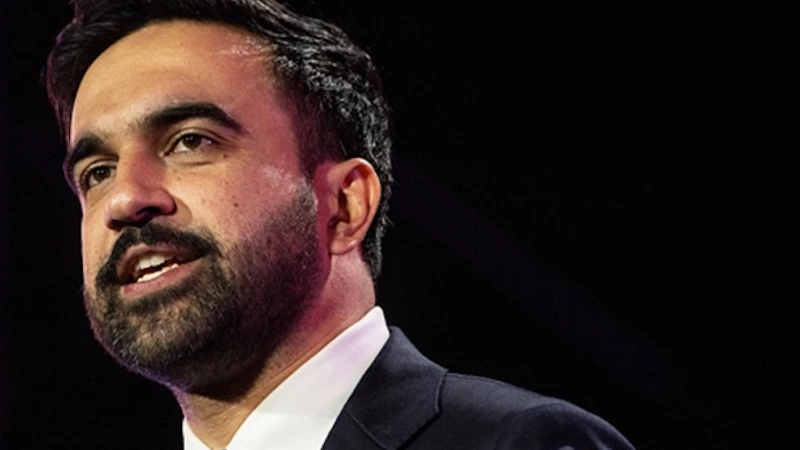
The Man Running America’s Biggest City Just Threatened to Arrest an Israeli PM. Let That Sink In.
Zohran Mamdani, who took office as New York City’s mayor earlier this year, told reporters he was in “active conversation” with the city’s Law Department about whether to arrest Benjamin Netanyahu if the Israeli prime minister sets foot in New York. No federal charges. Read more

The Vandals Are Here, and They Came From Within
A recent Gallup survey found American pride at a record low. Not a polling artifact, not a margin-of-error quirk — a historic nadir in the percentage of Americans who describe themselves as “extremely proud” of their country. Read more
Degrees Without Merit: How the Long March Through Institutions Is Producing Frauds in Lab Coats
Trump Told You Iran Doesn’t Keep Deals. The Burning Tankers Prove It
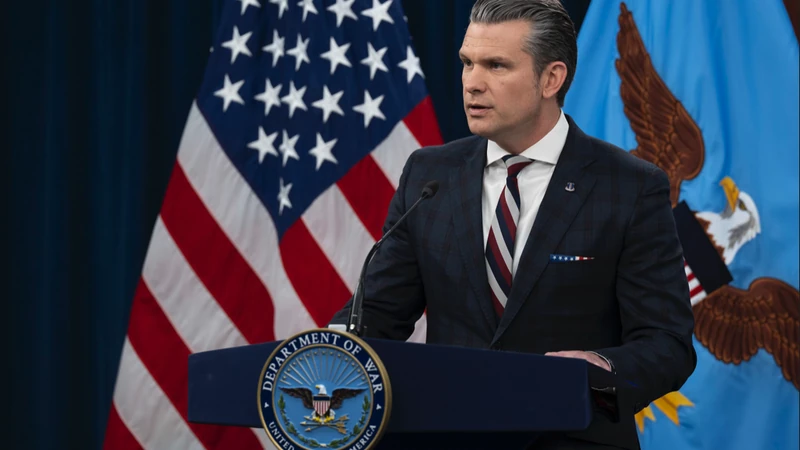
Pentagon-DOJ Task Force to Hunt and Prosecute National Security Leakers ‘With the Full Force of the Law’
Defense Secretary Pete Hegseth announced Monday that the Pentagon has established a joint task force with the Department of Justice to identify and criminally prosecute government officials who leak sensitive national security information to journalists, according to a statement from the Defense Department. Read more
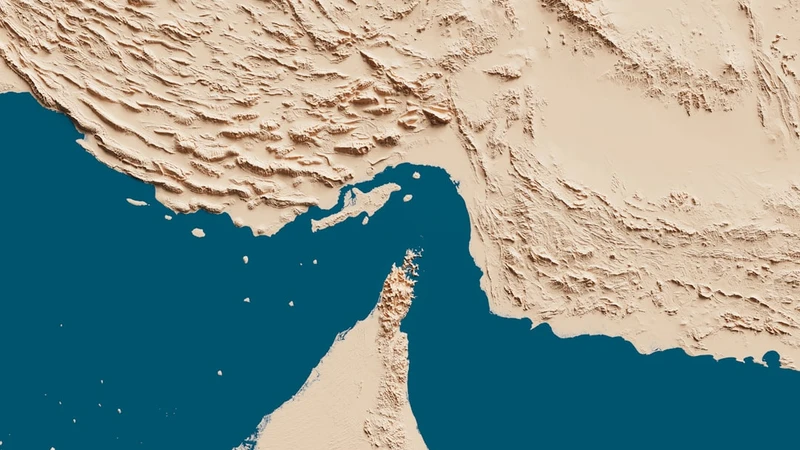
Fire on the Water: Thucydides, the Hormuz Strait, and America’s Test of Will
Thucydides, writing of the protracted struggle between Athens and Sparta in the fifth century before Christ, observed that nations go to war not for the stated reasons of justice or grievance, but because of fear, honor, and interest — Read more