WASHINGTON (AP) — The helicopters flew low and fast into the night, ferrying U.S. special forces to a compound where Islamic State leader Abu Bakr al-Baghdadi was hiding in Syria. Half a world away, President Donald Trump watched the raid in real time via a video link as troops blasted into the hideout and sent the most-wanted militant running the last steps of his life.
The daring raid was the culmination of years of steady intelligence-gathering work — and 48 hours of hurry-up planning once Washington got word that al-Baghdadi would be at a compound in northwestern Syria.
The night unfolded with methodical precision and unexpected turns. This reconstruction is based on the first-blush accounts of Trump and other administration officials eager to share the details of how the U.S. snared its top target, as well observations from startled villagers who had no idea al-Baghdadi was in their midst.
A CELEBRATION AND A SECRET TWO-DAY SCRAMBLE
Events developed quickly once the White House learned on Thursday there was “a high probability” that al-Baghdadi would be at an Idlib province compound.
By Friday, Trump had military options on his desk.
By Saturday morning, the administration at last had “actionable intelligence” it could exploit.
There was no hint of that interior drama as Trump headed to Camp David on Friday night to celebrate the 10th wedding anniversary of daughter Ivanka and son-in-law Jared Kushner. Then he was off to Virginia on a brisk fall Saturday for a round at one of his golf courses.
He teed off with Major League Baseball Commissioner Rob Manfred, in town for the World Series, and Sens. Lindsey Graham and David Perdue.
Trump got back to the White House at 4:18 p.m. By 5 p.m., he was in a suit in the Situation Room in the basement of the West Wing to monitor the raid. They named it after Kayla Mueller, an American humanitarian worker abused and killed by al-Baghdadi.
The rest of Washington had its focus on Game 4 of the World Series about to get underway a few miles away at Nationals Park.
PANIC THEN DEATH
Moments after the White House team had gathered, U.S. aircraft, mostly twin-rotor CH-47 helicopters, took off from Al-Asad air base in western Iraq.
Within hours, al-Baghdadi was dead.
The first inkling that something was afoot came when villagers saw helicopters swooping low on the horizon.
“We went out in the balcony to see and they started shooting, with automatic rifles. So we went inside and hid,” said an unidentified villager. Next came a large explosion — Trump said soldiers blasted a hole in the side of a building because they feared the entrance might have been booby-trapped. Al-Baghdadi fled into a network of underground bunkers and tunnels that snaked through the compound.
Read More...
Trump and The takedown of ISIS head al-Baghdadi
Current News
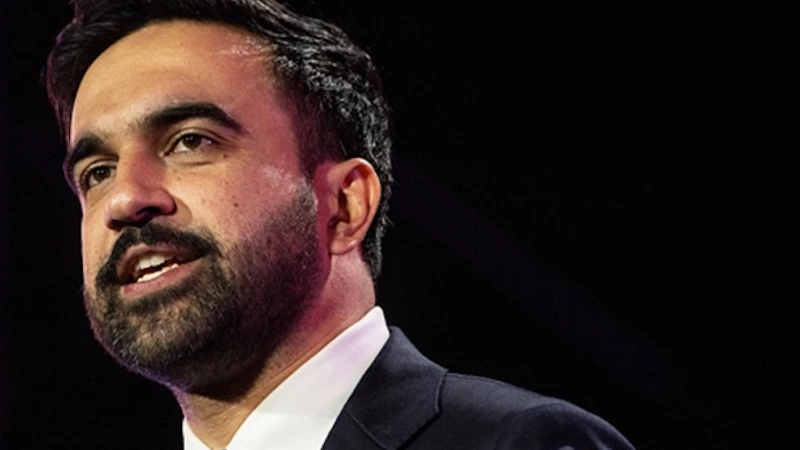
The Man Running America’s Biggest City Just Threatened to Arrest an Israeli PM. Let That Sink In.
Zohran Mamdani, who took office as New York City’s mayor earlier this year, told reporters he was in “active conversation” with the city’s Law Department about whether to arrest Benjamin Netanyahu if the Israeli prime minister sets foot in New York. No federal charges. Read more

The Vandals Are Here, and They Came From Within
A recent Gallup survey found American pride at a record low. Not a polling artifact, not a margin-of-error quirk — a historic nadir in the percentage of Americans who describe themselves as “extremely proud” of their country. Read more
Degrees Without Merit: How the Long March Through Institutions Is Producing Frauds in Lab Coats
Trump Told You Iran Doesn’t Keep Deals. The Burning Tankers Prove It
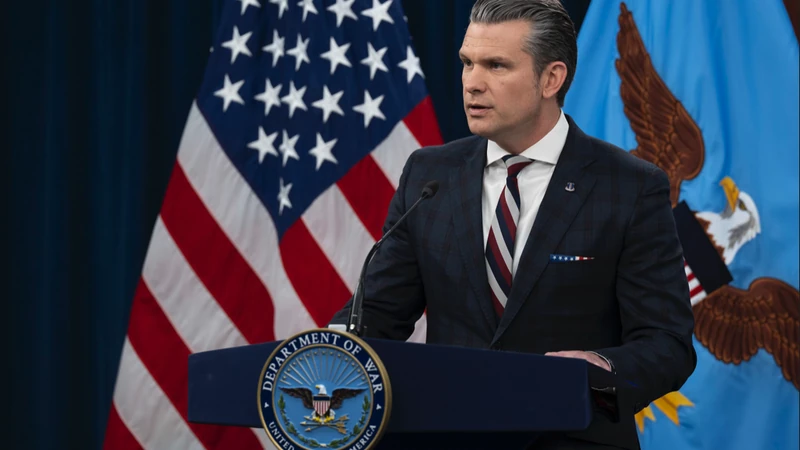
Pentagon-DOJ Task Force to Hunt and Prosecute National Security Leakers ‘With the Full Force of the Law’
Defense Secretary Pete Hegseth announced Monday that the Pentagon has established a joint task force with the Department of Justice to identify and criminally prosecute government officials who leak sensitive national security information to journalists, according to a statement from the Defense Department. Read more
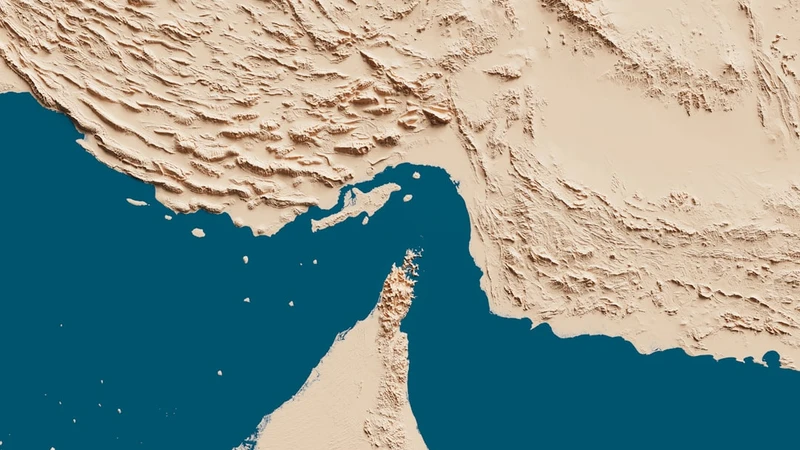
Fire on the Water: Thucydides, the Hormuz Strait, and America’s Test of Will
Thucydides, writing of the protracted struggle between Athens and Sparta in the fifth century before Christ, observed that nations go to war not for the stated reasons of justice or grievance, but because of fear, honor, and interest — Read more