Three proposed sections of border wall for Arizona are on hold, according to a Monday federal court filing, because they’re going to cost more than the Defense Departmentplanned on spending.
The Army Corps of Engineers “has determined that there are insufficient contract savings to undertake the the three additional” projects, totaling 20 miles of construction on the U.S.-Mexico border, that Defense Secretary Mark Esper originally approved on Aug. 26, per court documents.
The filing is part of three ongoing lawsuits over using $2.5 billion in DoD counter-drug funding on border projects.
The Supreme Court lifted a freeze on that spending, handed down by a lower court, in July. But as the suit is ongoing, the Pentagon must file updates to its plans in federal court.
Back in August, the Corps of Engineers estimated it would be able to build that additional 20 miles of wall after crunching the numbers and finding “lower-than-expected” contract costs, meaning more money freed up for more construction.
But the final totals didn’t come back that way, and so two planned segments in Yuma and one in Tuscon are now on the back burner.
Read More...
The Pentagon is canceling three border wall projects because the costs went up
Current News

The Man Running America’s Biggest City Just Threatened to Arrest an Israeli PM. Let That Sink In.
Zohran Mamdani, who took office as New York City’s mayor earlier this year, told reporters he was in “active conversation” with the city’s Law Department about whether to arrest Benjamin Netanyahu if the Israeli prime minister sets foot in New York. No federal charges. Read more

The Vandals Are Here, and They Came From Within
A recent Gallup survey found American pride at a record low. Not a polling artifact, not a margin-of-error quirk — a historic nadir in the percentage of Americans who describe themselves as “extremely proud” of their country. Read more
Degrees Without Merit: How the Long March Through Institutions Is Producing Frauds in Lab Coats
Trump Told You Iran Doesn’t Keep Deals. The Burning Tankers Prove It
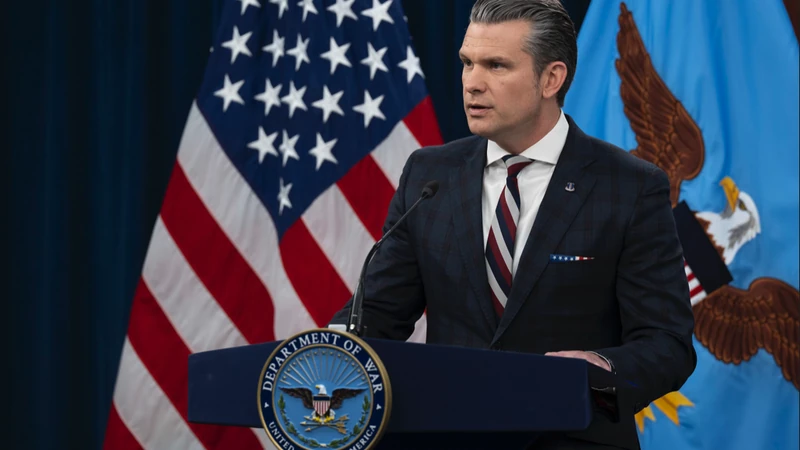
Pentagon-DOJ Task Force to Hunt and Prosecute National Security Leakers ‘With the Full Force of the Law’
Defense Secretary Pete Hegseth announced Monday that the Pentagon has established a joint task force with the Department of Justice to identify and criminally prosecute government officials who leak sensitive national security information to journalists, according to a statement from the Defense Department. Read more

Fire on the Water: Thucydides, the Hormuz Strait, and America’s Test of Will
Thucydides, writing of the protracted struggle between Athens and Sparta in the fifth century before Christ, observed that nations go to war not for the stated reasons of justice or grievance, but because of fear, honor, and interest — Read more