After more than eight years of war and bloodshed in Syria, the Iranian presence in the nation is at an all-time high, warned the top Syrian opposition figure.
“Iranian influence is getting bigger and bigger. They are the ones controlling the State of Syria, the Army of Syria, the security of Syria and are infiltrating the society such as the schools and religious sites,” Nasr Al-Hariri, president of the Syrian Negotiation Commission (SNC), told Fox News following the U.N. General Assembly last week. “While the air cover is being provided to the government by Russia, the troops on the ground are controlled by Iran.”
Most disturbing, Hariri underscored, is that many who oppose the government and have been rendered little choice but return to their broken lives and homes are now aligning with Iranian militias for survival.
“They see the allies have left us alone inside Syria, so they can only protect themselves this way, and Iran is giving them some incentives to join,” he explained. “They get salaries between $300-600 a month, and a security card to go all over the country without being interrupted or harmed at Syrian regime checkpoints. This is their protection, and it is very dangerous. If the situation continues like this, the number of recruited Iranian people will gradually increase.”
In April, the Syrian government – backed by Russian air support – launched an intensive campaign to reclaim Idlib, the last enduring opposition stronghold. But after four months and countless lives and injured later, the majority of the region was still out of their reach.
“The regime was not able to get any significant progress on the ground, so for that reason, the Iranian militias have intervened to help more,” Hariri said.
Read More...
Syrian leader warns Iranian activity inside Syria has reached unprecedented dangerous level
Current News

The Man Running America’s Biggest City Just Threatened to Arrest an Israeli PM. Let That Sink In.
Zohran Mamdani, who took office as New York City’s mayor earlier this year, told reporters he was in “active conversation” with the city’s Law Department about whether to arrest Benjamin Netanyahu if the Israeli prime minister sets foot in New York. No federal charges. Read more

The Vandals Are Here, and They Came From Within
A recent Gallup survey found American pride at a record low. Not a polling artifact, not a margin-of-error quirk — a historic nadir in the percentage of Americans who describe themselves as “extremely proud” of their country. Read more
Degrees Without Merit: How the Long March Through Institutions Is Producing Frauds in Lab Coats
Trump Told You Iran Doesn’t Keep Deals. The Burning Tankers Prove It
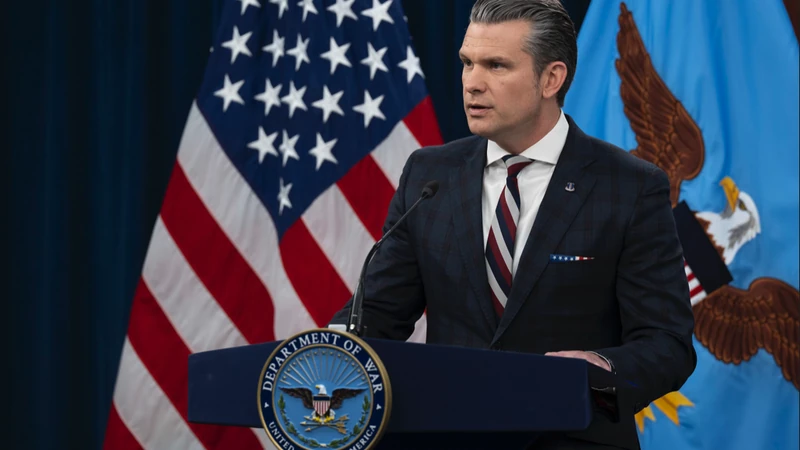
Pentagon-DOJ Task Force to Hunt and Prosecute National Security Leakers ‘With the Full Force of the Law’
Defense Secretary Pete Hegseth announced Monday that the Pentagon has established a joint task force with the Department of Justice to identify and criminally prosecute government officials who leak sensitive national security information to journalists, according to a statement from the Defense Department. Read more

Fire on the Water: Thucydides, the Hormuz Strait, and America’s Test of Will
Thucydides, writing of the protracted struggle between Athens and Sparta in the fifth century before Christ, observed that nations go to war not for the stated reasons of justice or grievance, but because of fear, honor, and interest — Read more