A key target of China’s coming “social credit” system, which among Westerners usually triggers visions of “1984”-style monitoring of people, is actually misbehaving businesses.
Corporate America needs to prepare.
About 80% of information on the main data-sharing platform relates to companies rather than individuals, according to China consulting firm Trivium. Scheduled for full rollout in 2020, the system could help level the playing field, if well-implemented. But social credit will make falling afoul of regulations far more costly, and could be used as a weapon in trade disputes.
Privacy has always been a narrower concept in China than the West. Chinese-speaking foreigners can expect taxi drivers to grill about their income, marital status and other matters that strangers in the West usually avoid. And private electronic communications aren’t really private from the government.
The flip side is that information doesn’t actually flow well through society. Censorship and a Party-centric court system make whistleblowing difficult and dangerous, creating plenty of opportunities for corporate and official malfeasance. Losers are often small or foreign companies without good official contacts to bend the rules for them.
Corporate social credit is meant, at least in part, to address this problem—without fundamental social changes, like freeing the press, that could endanger Communist Party rule. Compliance or noncompliance with important regulations will be assigned a value and fed into an algorithm to produce a company’s overall rating on, for example, environmental protection. This rating will be shared across agencies through a central database, to some extent publicly.
Read More...
Coming Soon in China: ‘Social Credit’ for Companies, Too
Current News

The Man Running America’s Biggest City Just Threatened to Arrest an Israeli PM. Let That Sink In.
Zohran Mamdani, who took office as New York City’s mayor earlier this year, told reporters he was in “active conversation” with the city’s Law Department about whether to arrest Benjamin Netanyahu if the Israeli prime minister sets foot in New York. No federal charges. Read more

The Vandals Are Here, and They Came From Within
A recent Gallup survey found American pride at a record low. Not a polling artifact, not a margin-of-error quirk — a historic nadir in the percentage of Americans who describe themselves as “extremely proud” of their country. Read more
Degrees Without Merit: How the Long March Through Institutions Is Producing Frauds in Lab Coats
Trump Told You Iran Doesn’t Keep Deals. The Burning Tankers Prove It
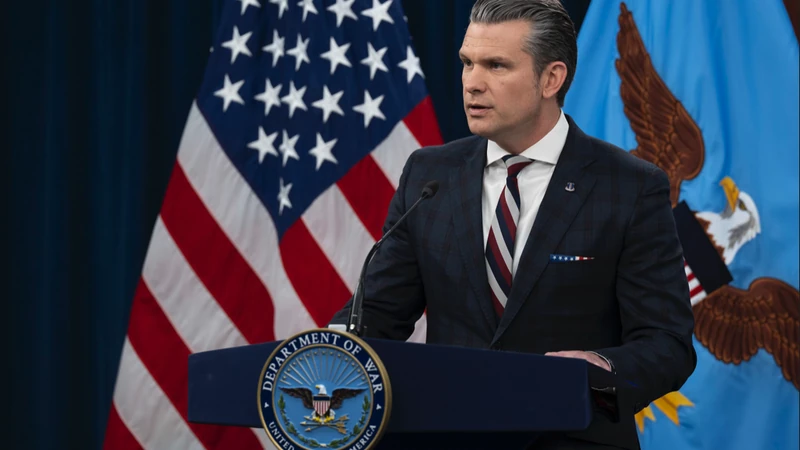
Pentagon-DOJ Task Force to Hunt and Prosecute National Security Leakers ‘With the Full Force of the Law’
Defense Secretary Pete Hegseth announced Monday that the Pentagon has established a joint task force with the Department of Justice to identify and criminally prosecute government officials who leak sensitive national security information to journalists, according to a statement from the Defense Department. Read more

Fire on the Water: Thucydides, the Hormuz Strait, and America’s Test of Will
Thucydides, writing of the protracted struggle between Athens and Sparta in the fifth century before Christ, observed that nations go to war not for the stated reasons of justice or grievance, but because of fear, honor, and interest — Read more